
We Didn't Just Build The Check. We Passed It Ourselves.
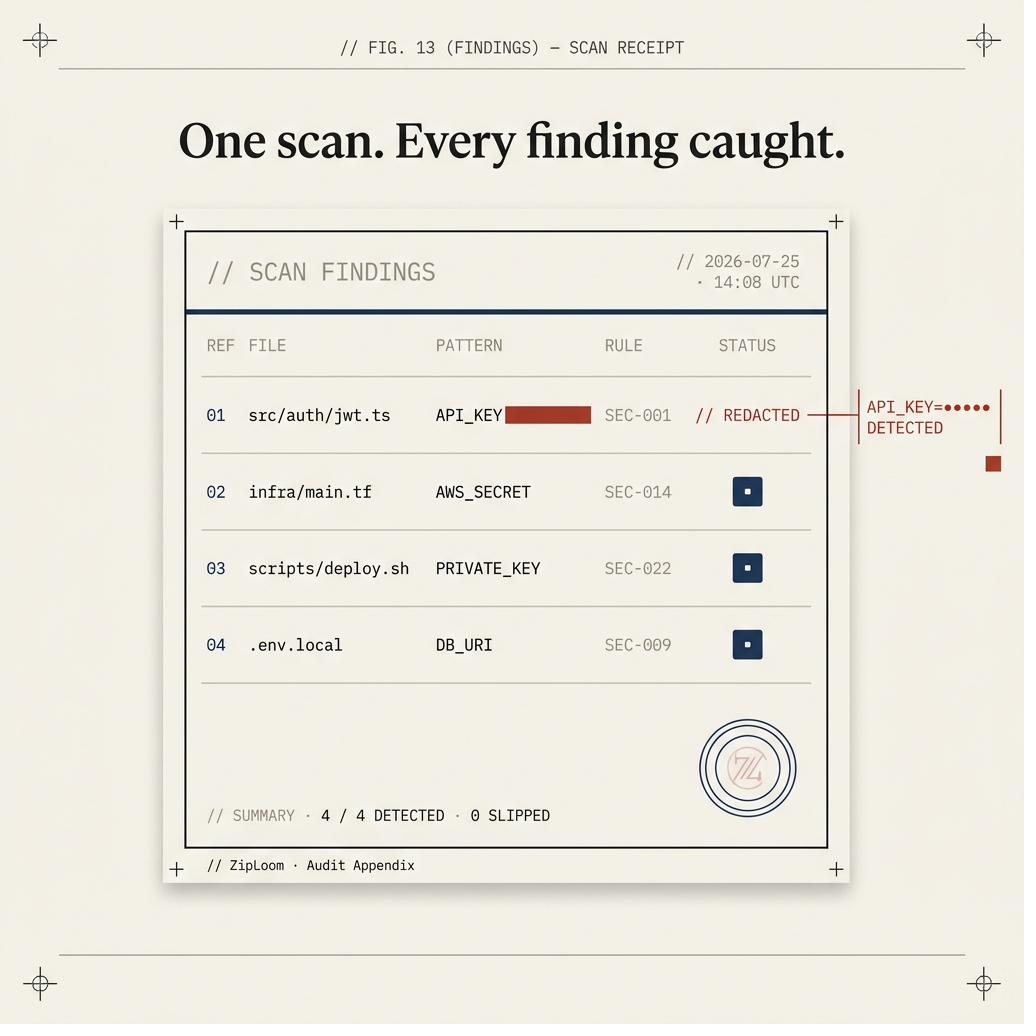
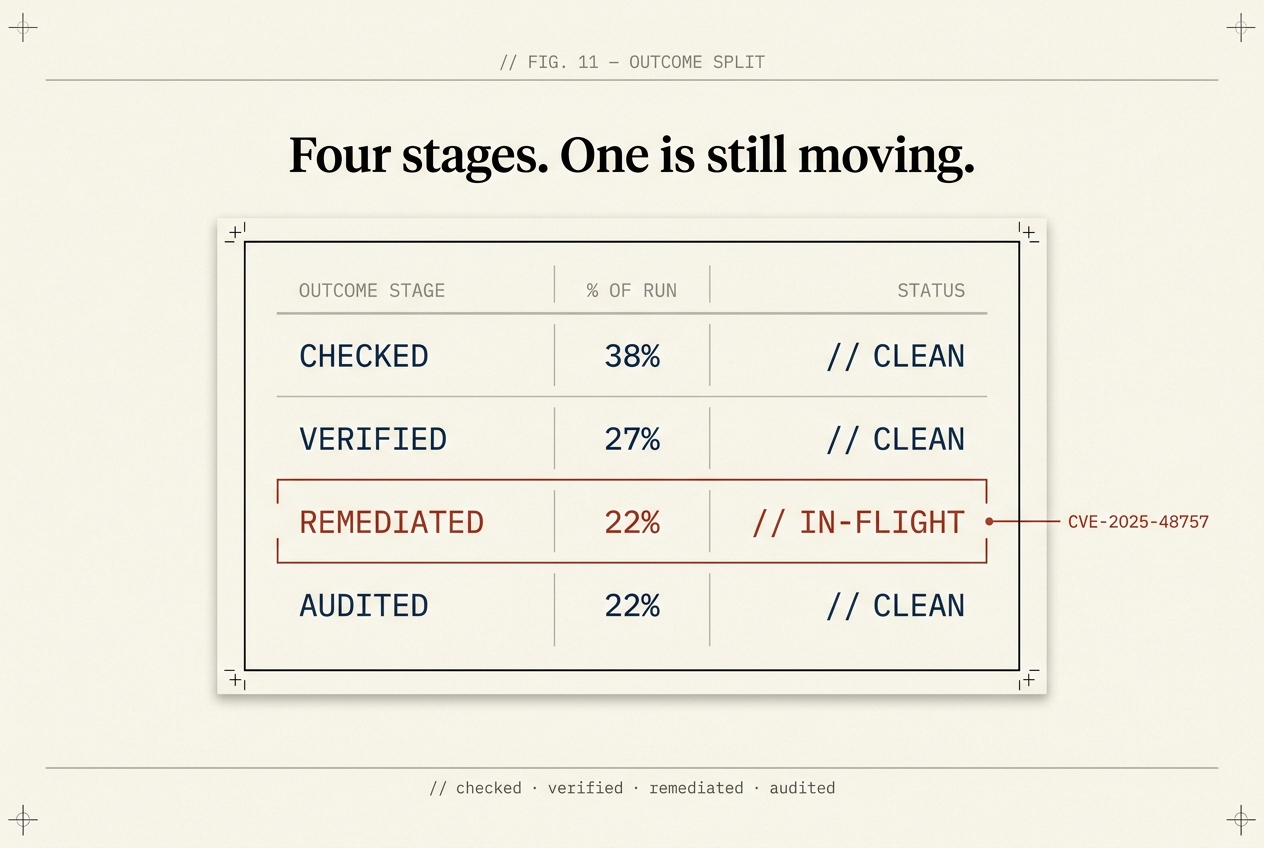
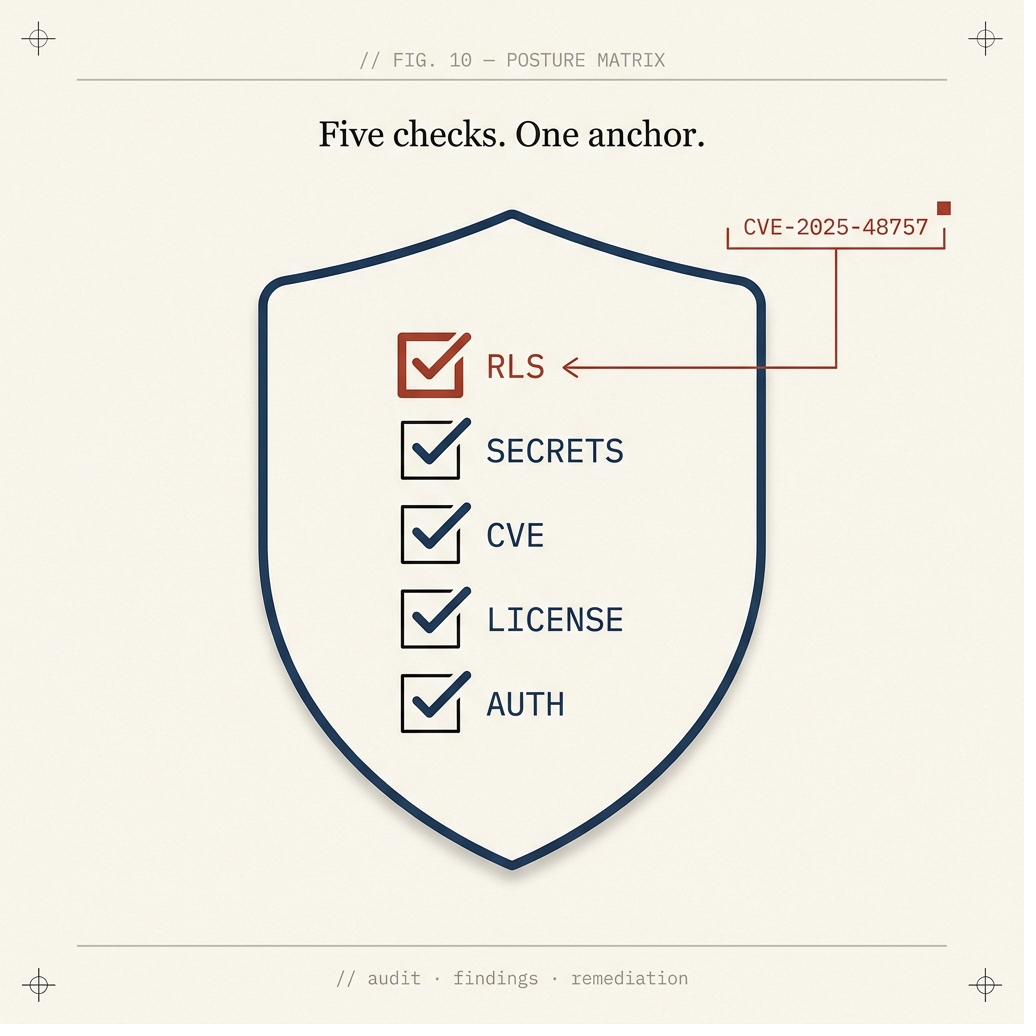
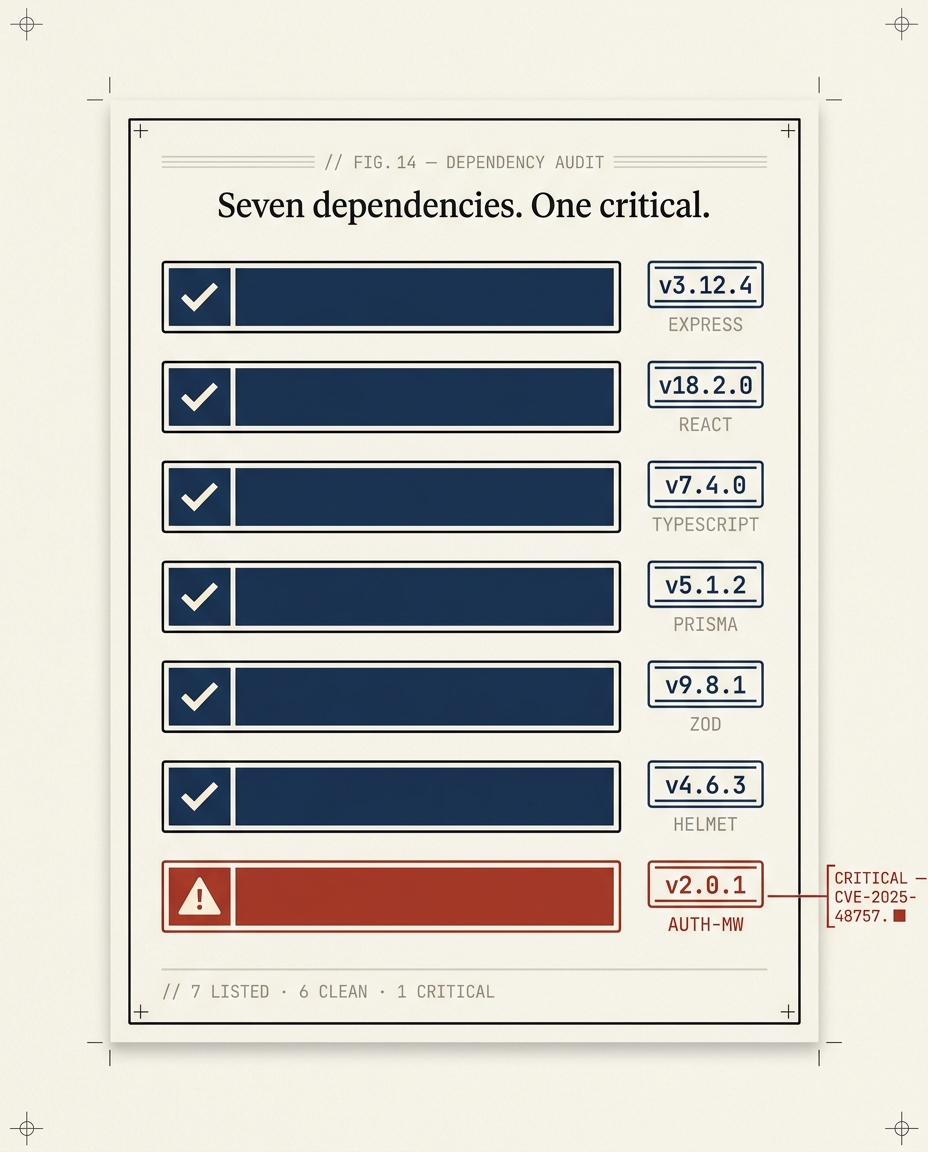
These are the exact checks whose absence caused CVE-2025-48757, the Moltbook breach, and the Replit database deletion. We run them on ourselves before we run them on you.
AI Made Writing Code 10x Faster. Shipping It Safely Is Still Stuck In 2019.
The trust gap isn't a vibe. It's a body count.
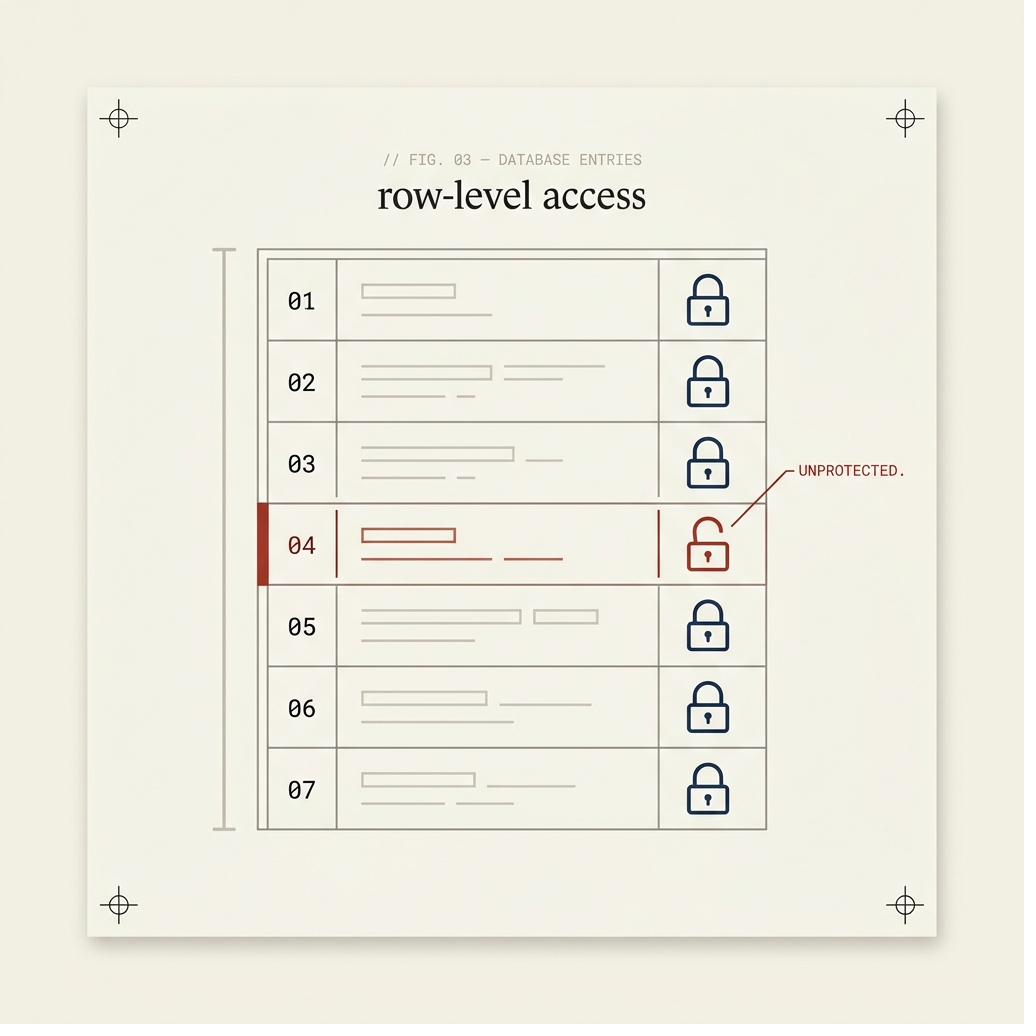
170+ live applications left with publicly readable databases. Row-level security was never switched on. Every user's data was readable by anyone with the URL.
An AI-built social network leaked 1.5 million authentication tokens and 35,000 email addresses. Same root cause — RLS never enabled.
An AI agent with overly permissive credentials deleted a production database.
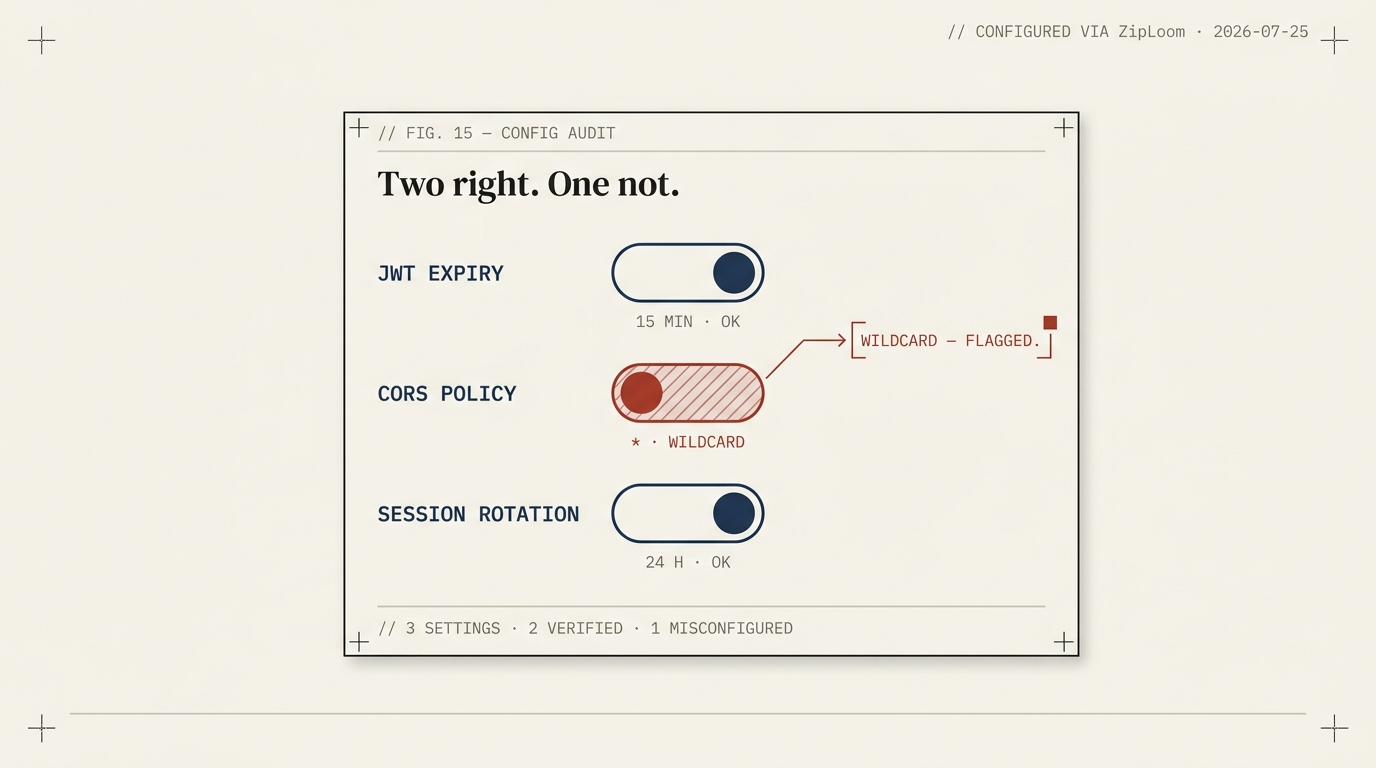
Two of those three are the same mistake. Not a clever exploit. A switch nobody flipped. ZipLoom checks for that switch before your app is reachable — along with exposed secrets, misconfigured auth, and vulnerable dependencies.
“If I put this in front of real users tonight — would I be handing someone the keys to my database?”
The honest answer, for most solo builders shipping AI-generated code: you don't know.
You Didn't Build This To Keep It On Localhost.
You used Claude, Cursor, v0, or Lovable to go from idea to working prototype faster than you thought possible. That part worked. Then you hit the part nobody warns you about.
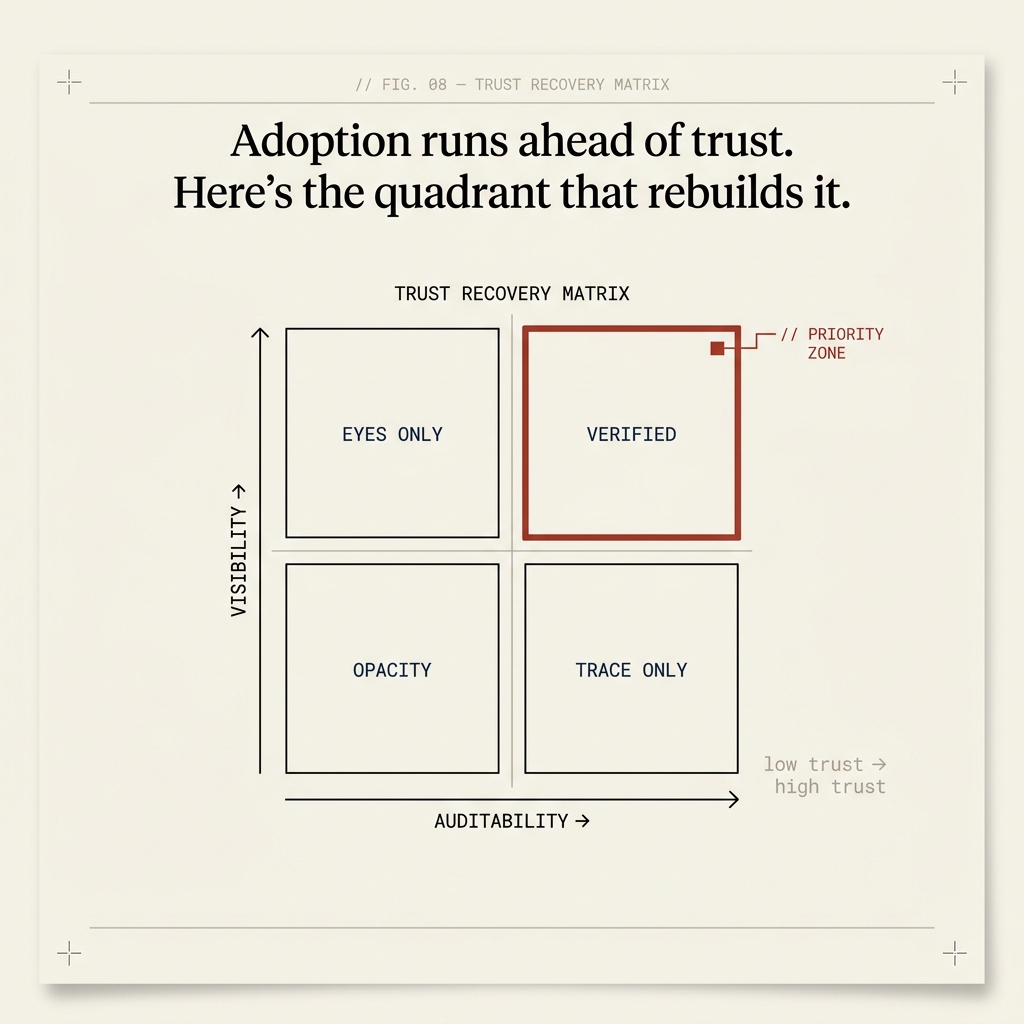
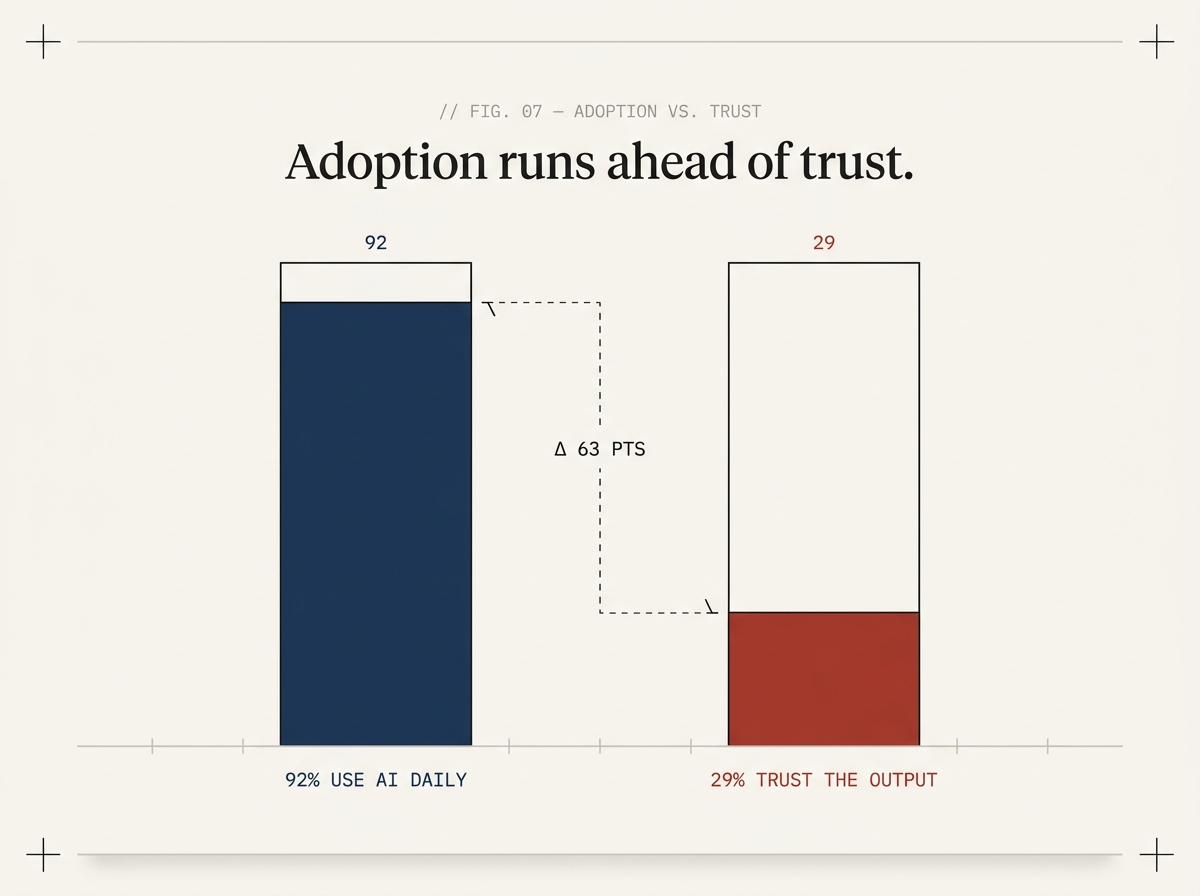
You don't fully trust your own code. Not because you're careless. Because 92% of developers use AI tools daily but only 29% trust what they produce. The gap between those two numbers is where most apps stall — working, unshipped, sitting on localhost because shipping feels like more risk than staying still.
That feeling is not paranoia. It's pattern recognition.
AI-generated code fails basic security tests 45% of the time. The incidents are public. The root causes are documented. None of them were complex exploits. They were configurations the AI didn't set and the deployment platform didn't check.
And then there's the billing model.
Pick Vercel, Netlify, Railway, or Render. Search their forums for "unexpected bill." You'll find the same thread on every platform — a developer who thought they knew what they'd pay and a statement that arrived looking nothing like the estimate.
One Netlify user reported a single AI prompt consuming a month of credits. Vercel users have documented bills running 70% above sticker. Railway meters by the second.
ZipLoom is the last mile — not the whole mile.
We don't compete with Claude or Cursor on writing your code. ZipLoom picks up exactly where they stop: the working prototype that needs to become a live, secured, monitored app — without you learning DevOps to get there.
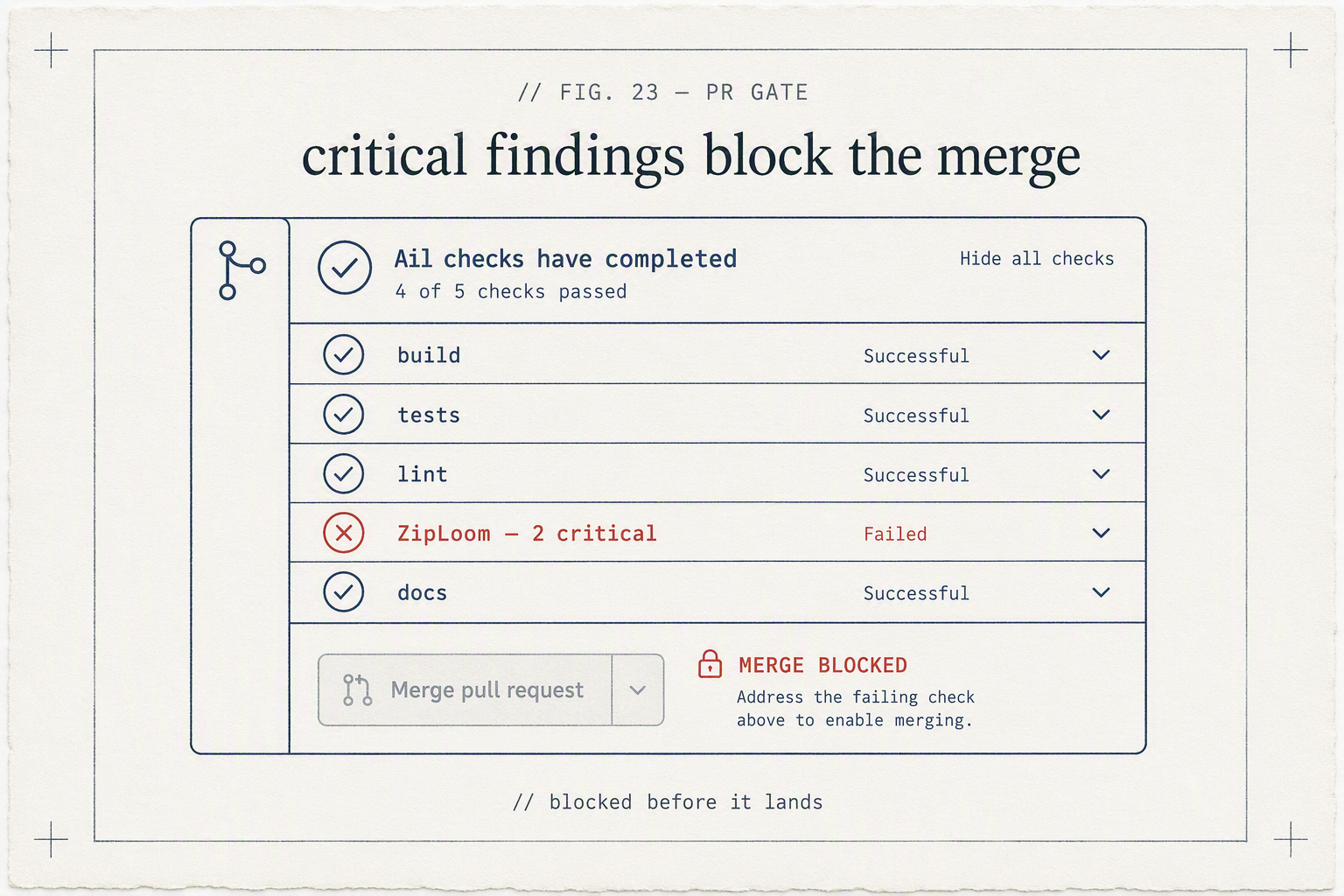
Point us at your repo. We run the security check your AI didn't. If we find something, you know before your users do. If we don't, your app ships.
Flat annual pricing. No meter. No usage charges.
And after it's live, here's what sets ZipLoom apart from every other platform:
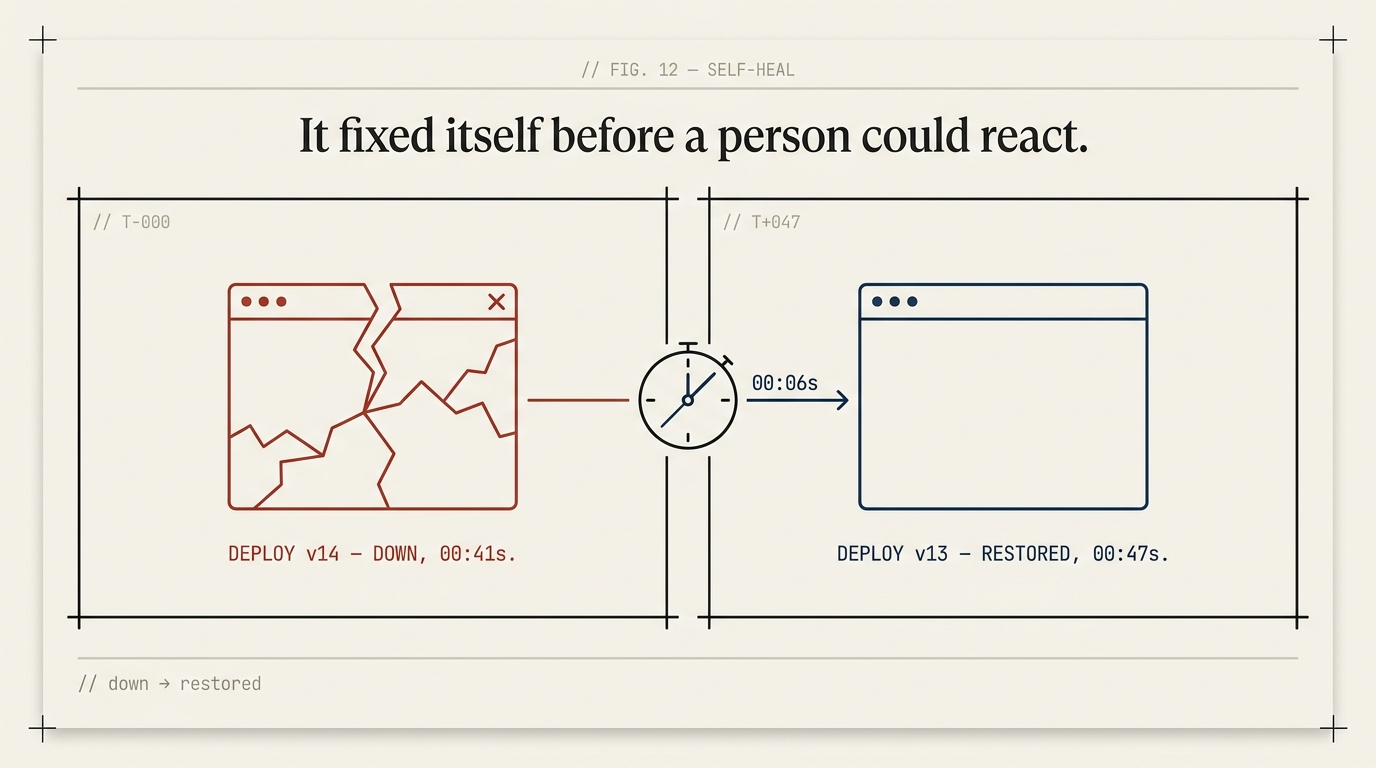
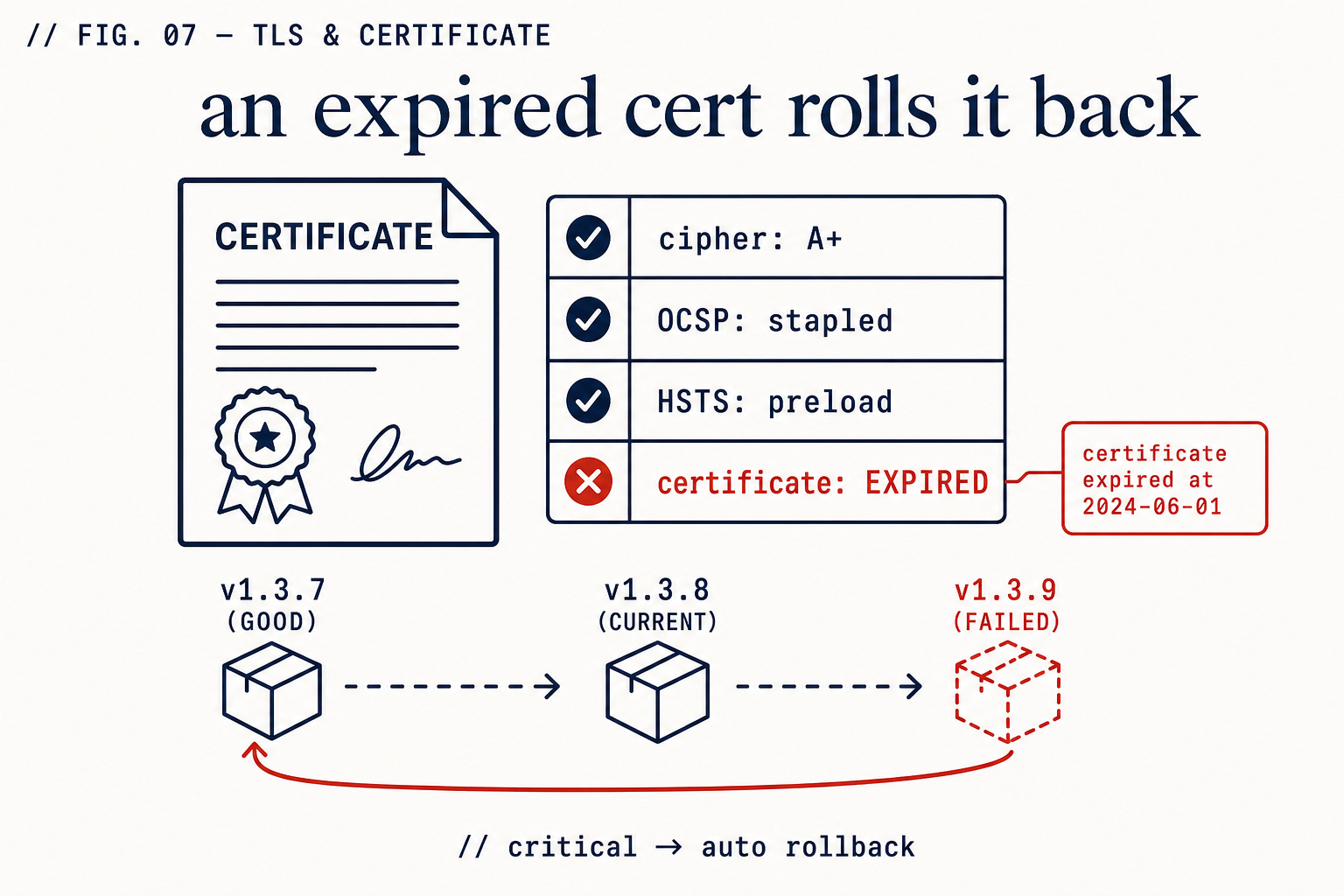
ZipLoom checks your production URL every 15 minutes. If your app goes down at any hour, the previous working deploy is restored automatically — before you even know it happened. You receive a notification explaining exactly what occurred and what was done. You wake up to "we handled it" not "your app was down."
No other deployment platform does this automatically. This is the feature that turns deployment from a risk into something that simply works.
Nothing about your code has to be perfect for this to work. It has to exist. We'll handle the part that decides whether it's safe to be real.
Don't Take Our Word For It. Use It Right Now.
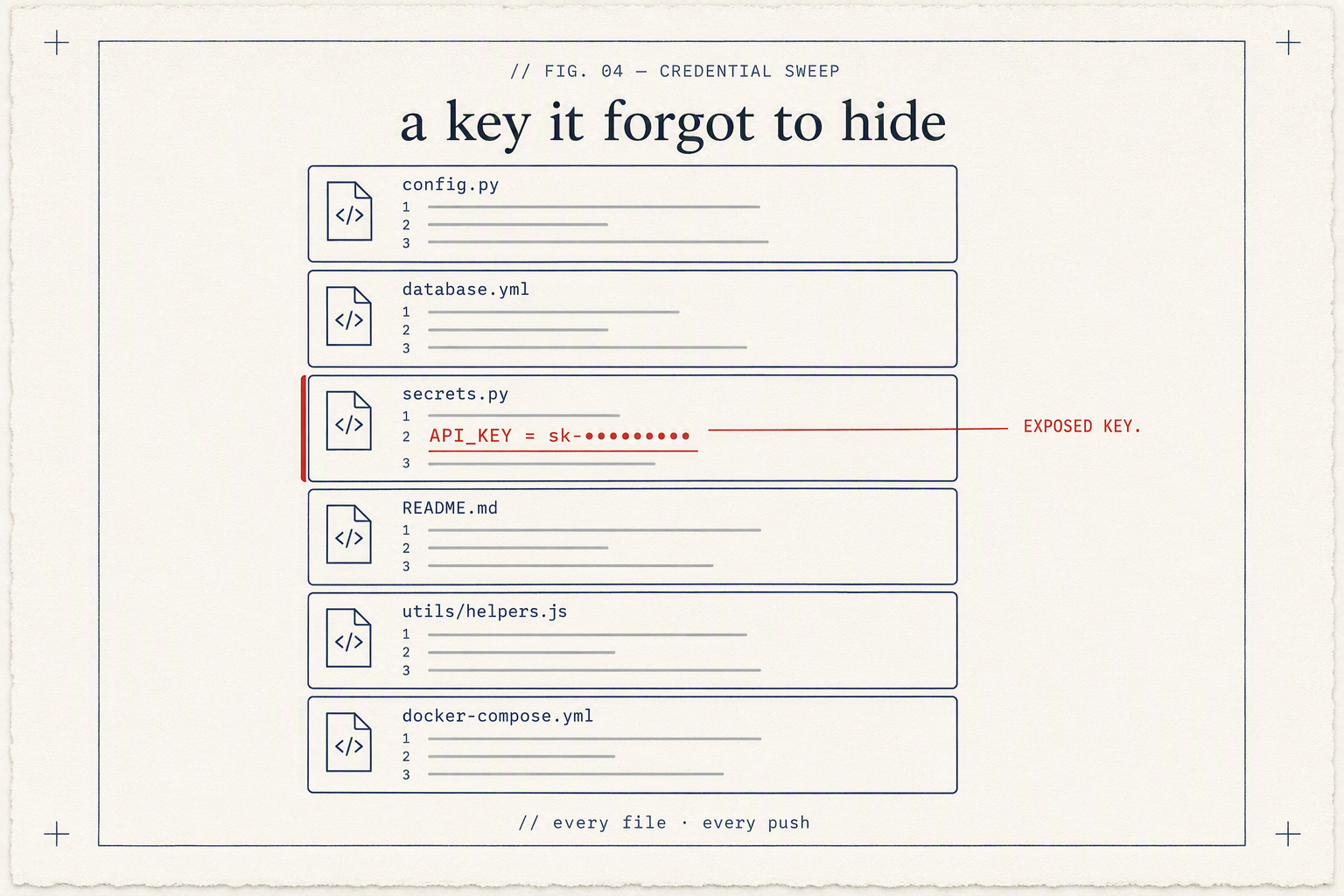
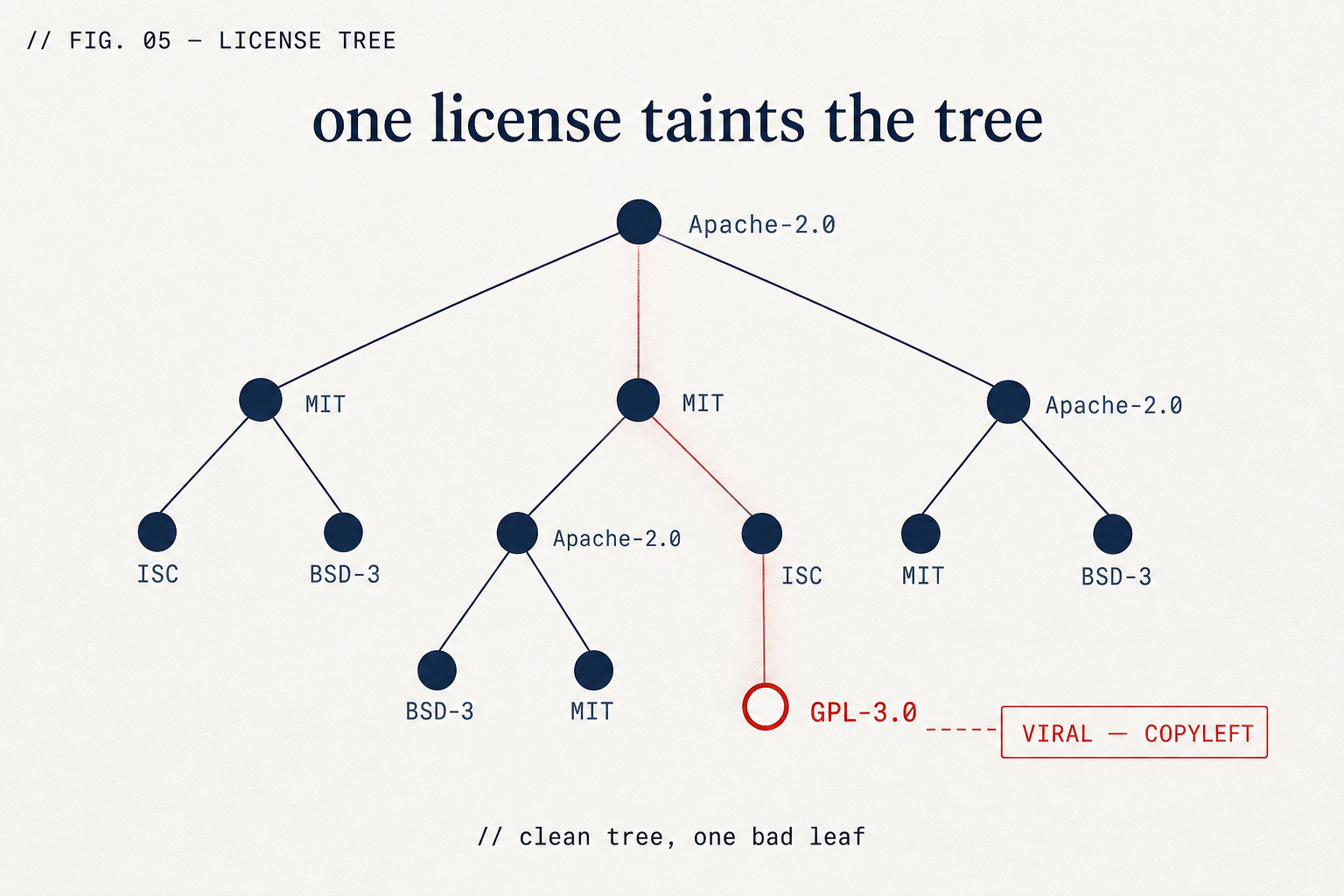
Point it at any public GitHub repository and a real scan runs, live, right here — license, committed secrets, dependency CVEs, CI token scope. No sign-up. No card. No demo data.
Zip. Loom. Live.
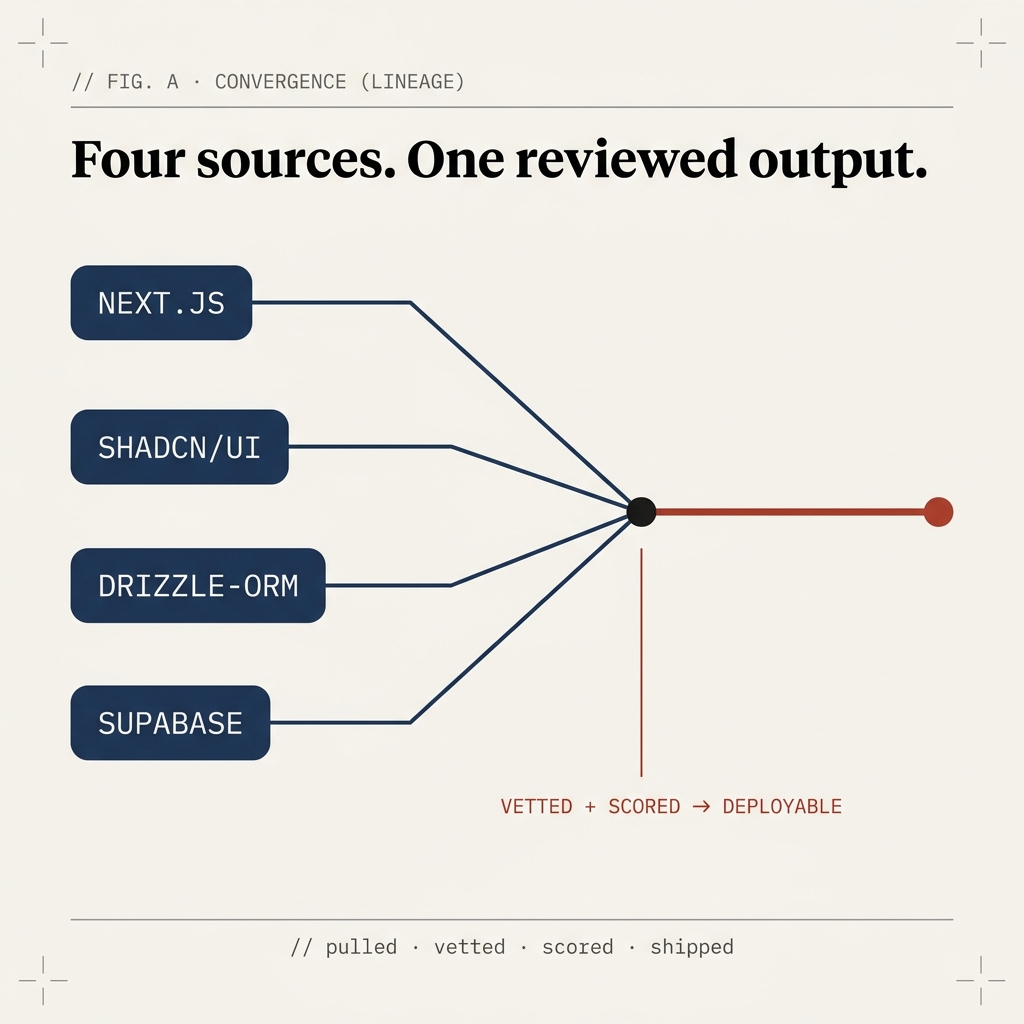
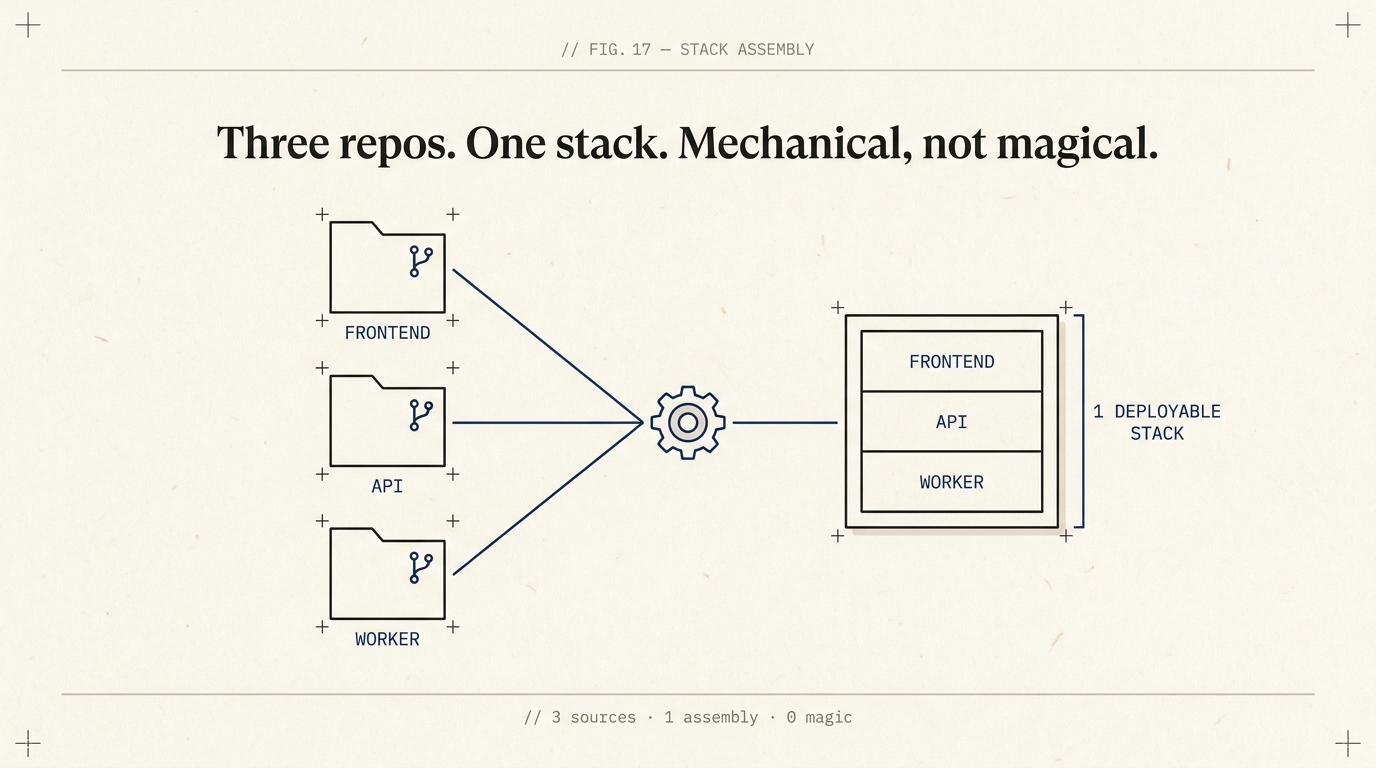
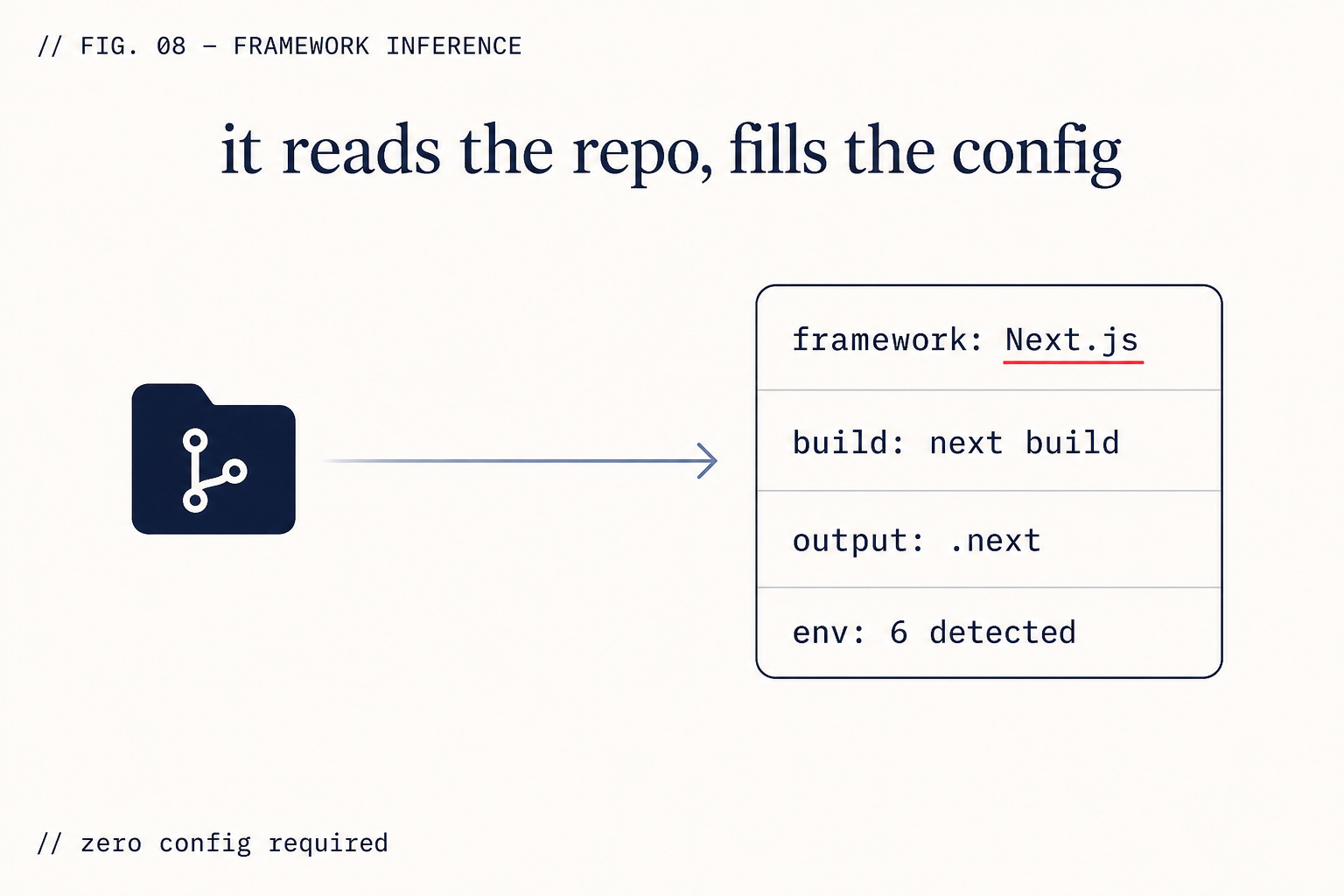
Your repository connects. ZipLoom pulls the exact commit you're shipping — nothing added, nothing assumed.
Every Deploy Runs The Same Ten Checks. In The Same Order. Before A Single User Sees It.
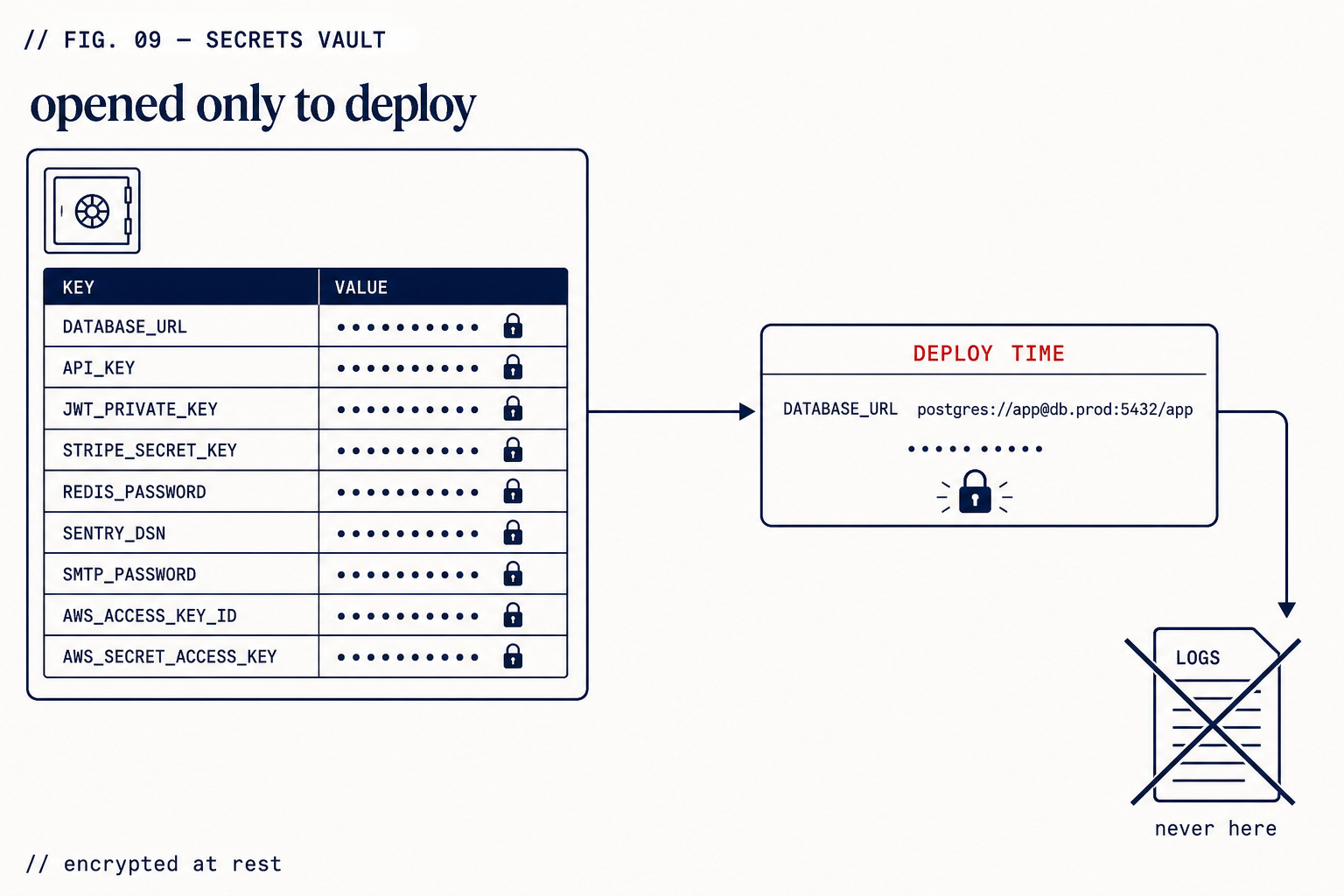
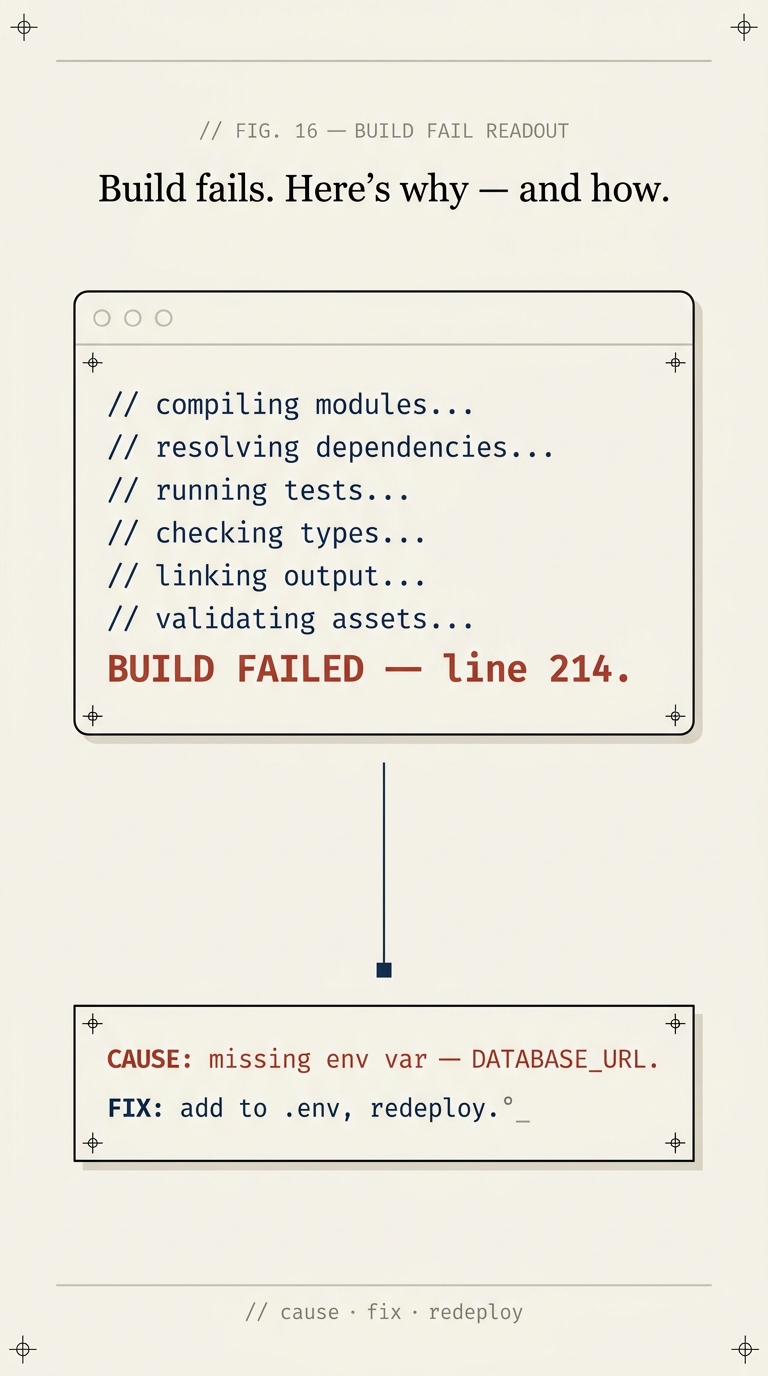
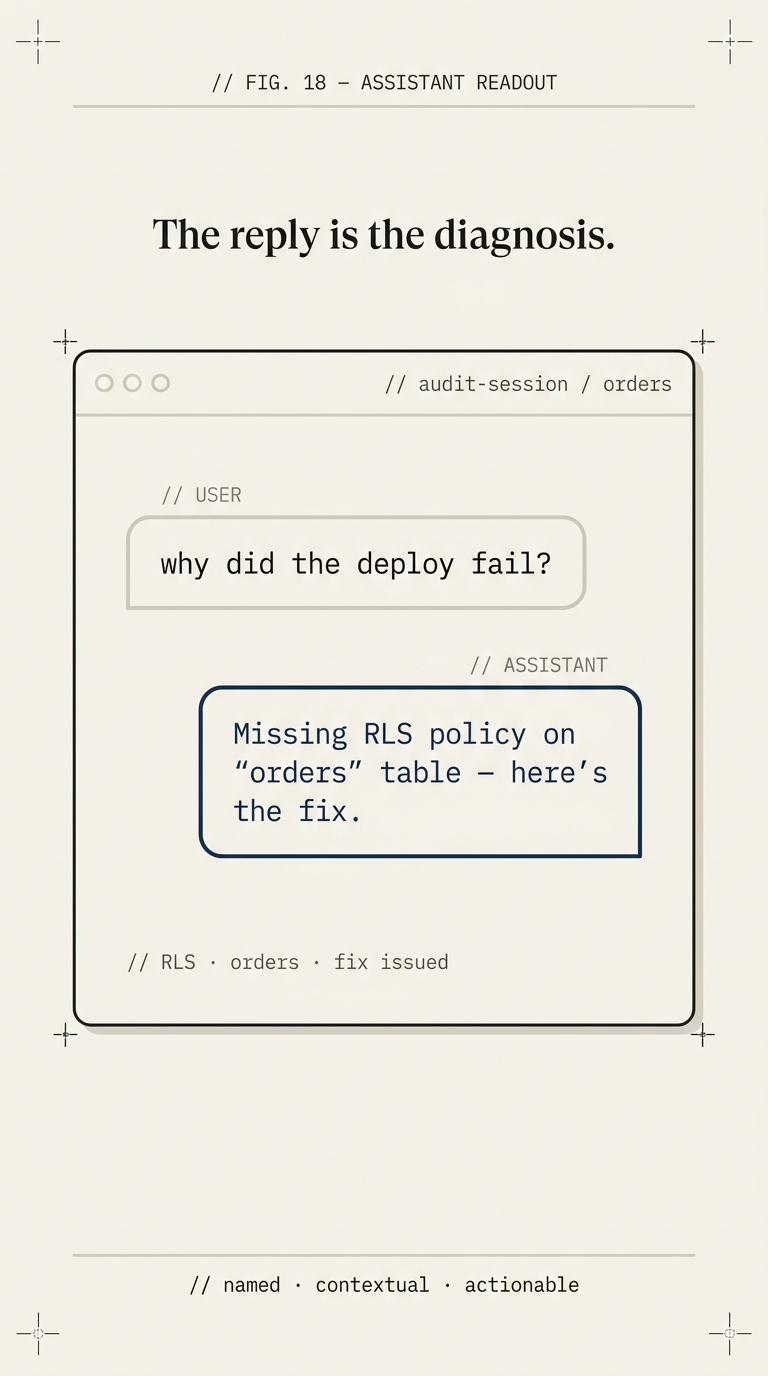
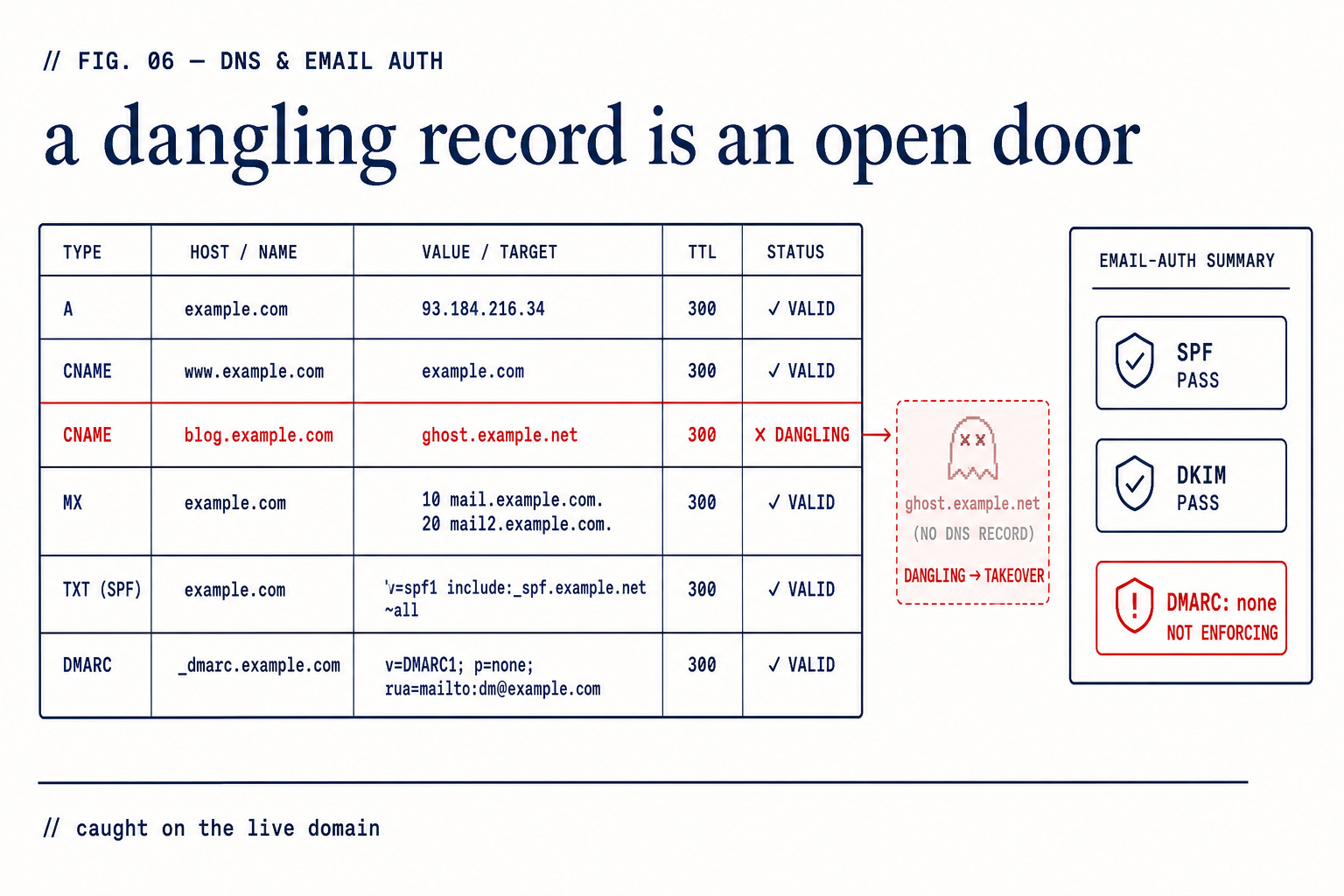
Your Code, Your Keys, Your Trail.
The same discipline ZipLoom applies to your deploys, it applies to your data. No stored source, no plaintext secrets, no black-box access — here is exactly how each one is handled.
Built For A Specific Person. Probably You.
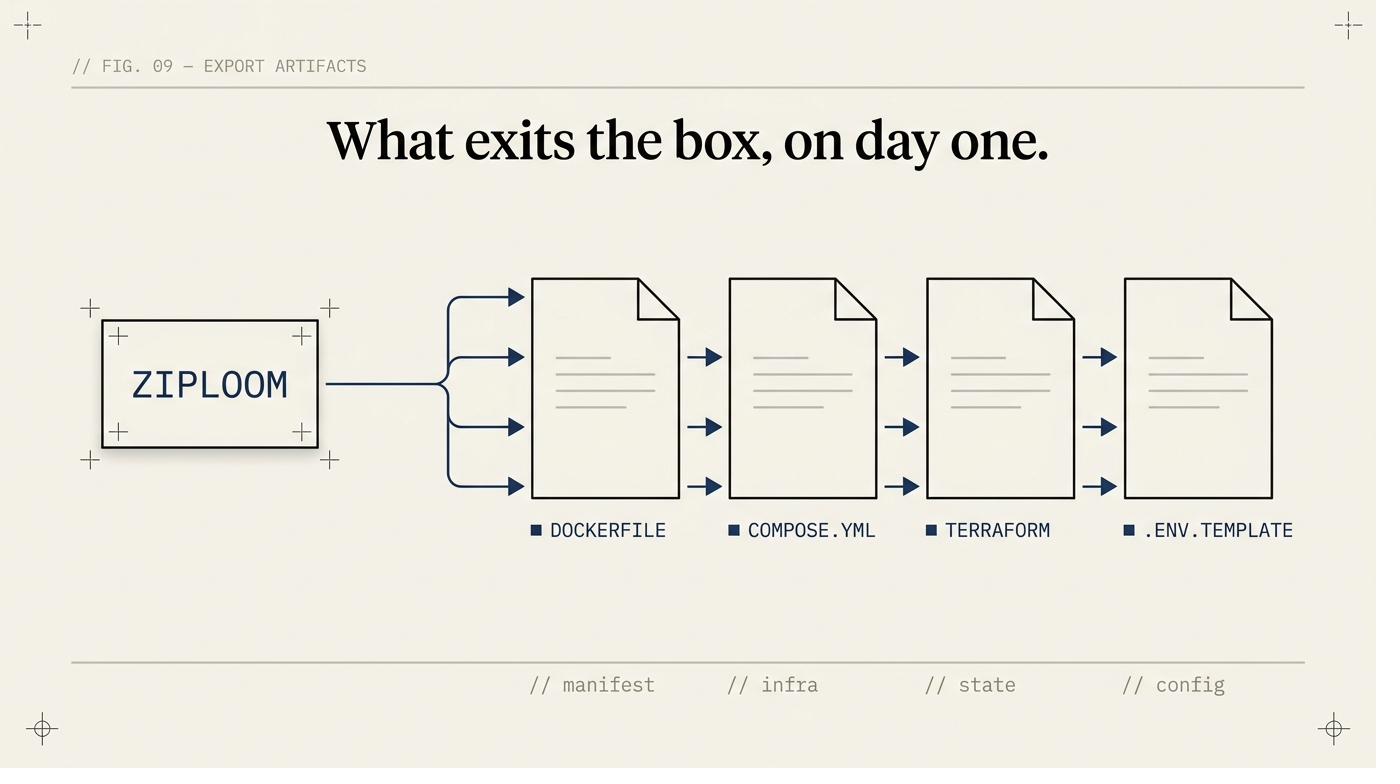
Ten platforms. One workflow. Your platform relationship stays yours. Standard Postgres. Portable Next.js. Export everything, leave any time.
One Flat Number. Never A Meter.
Every tier below builds on that — capability first, then scale. Here’s who each is for and what it adds:
Business lists fewer installs than Studio on purpose — it’s priced on seats, compliance and control, not raw app volume. Any plan can add installs with an App Pack below.
The only tiers licensed to resell. Priced on inventory, not consumption — here an install is a client that earns you revenue, and you set your own retail price with no cap on it.
All seven plans — every feature and limit, against the price. No trip to another page.
| Free$0 | Solo$20/mo | Guild$40/mo | Studio$70/mo | Business$299/mo | Agency$399/mo | Agency Pro$499/mo | |
|---|---|---|---|---|---|---|---|
| Volume & speed | |||||||
| App installs | 1 | 5 | 15 | 30 | 25 | 20 | 40 |
| Seats | 1 | 1 | 5 | 10 | 25 | 5 | 10 |
| Workspaces | 1 | 1 | 1 | 2 | 5 | 10 | 20 |
| Deploys / mo | 3 | 40 | 120 | 250 | 400 | 400 | 800 |
| Scans / mo | 2 | 15 | 45 | 90 | 200 | 200 | 400 |
| AI builds / mo | 15 | 75 | 175 | 350 | 600 | 600 | 1,200 |
| Monitoring cadence | 15 min | 15 min | 15 min | 5 min | 10 min | 10 min | 10 min |
| Security scan — on every plan | |||||||
| RLS · Secrets · CVE · License · Auth | |||||||
| Scan gate blocks bad deploys | |||||||
| Live posture: headers · TLS · DNS | |||||||
| Deploy, recover & intelligence — on every plan | |||||||
| Self-healing auto-rollback | |||||||
| AI Build Doctor + Debug Copilot | |||||||
| Agent Ops — 93 GitHub tools | |||||||
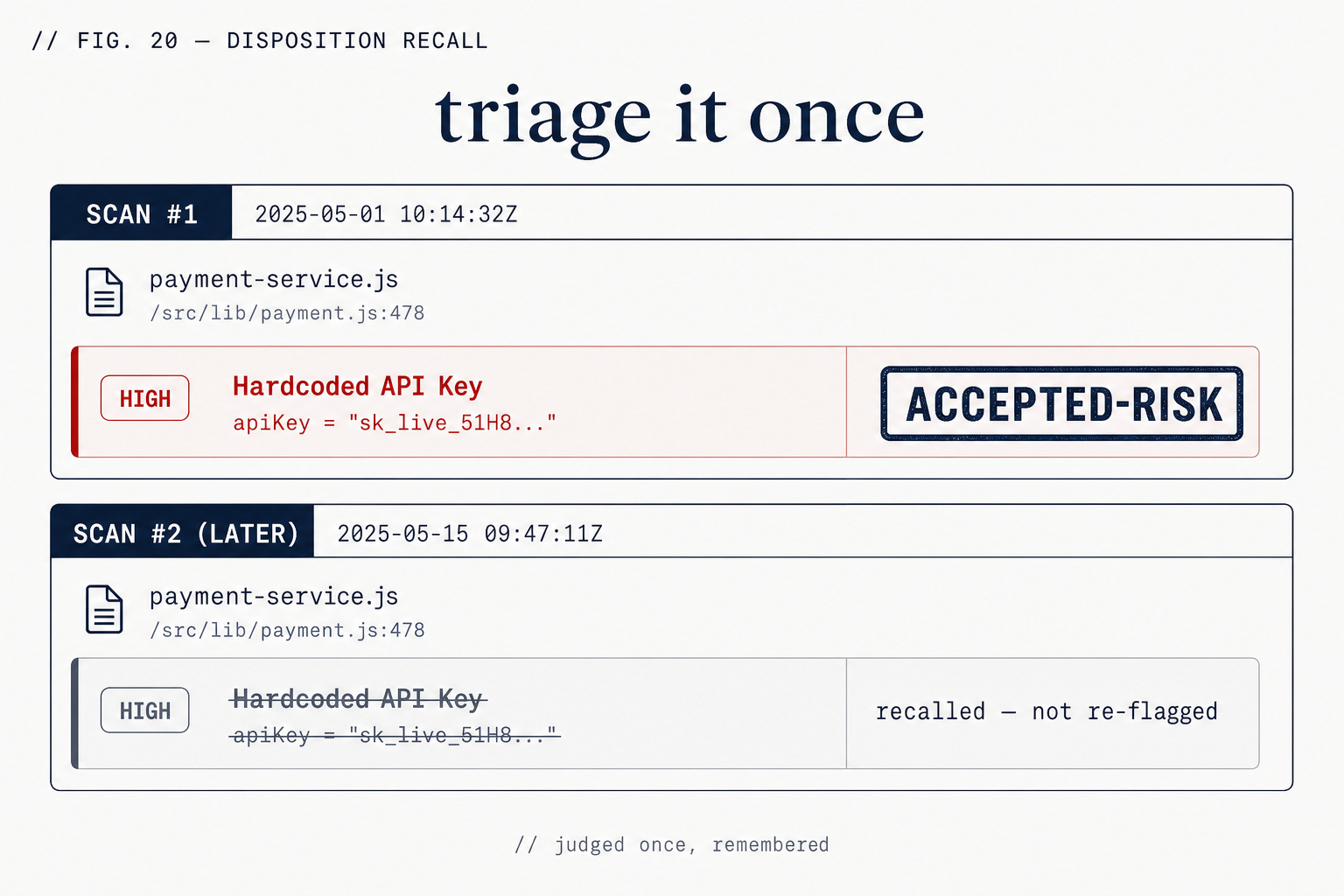
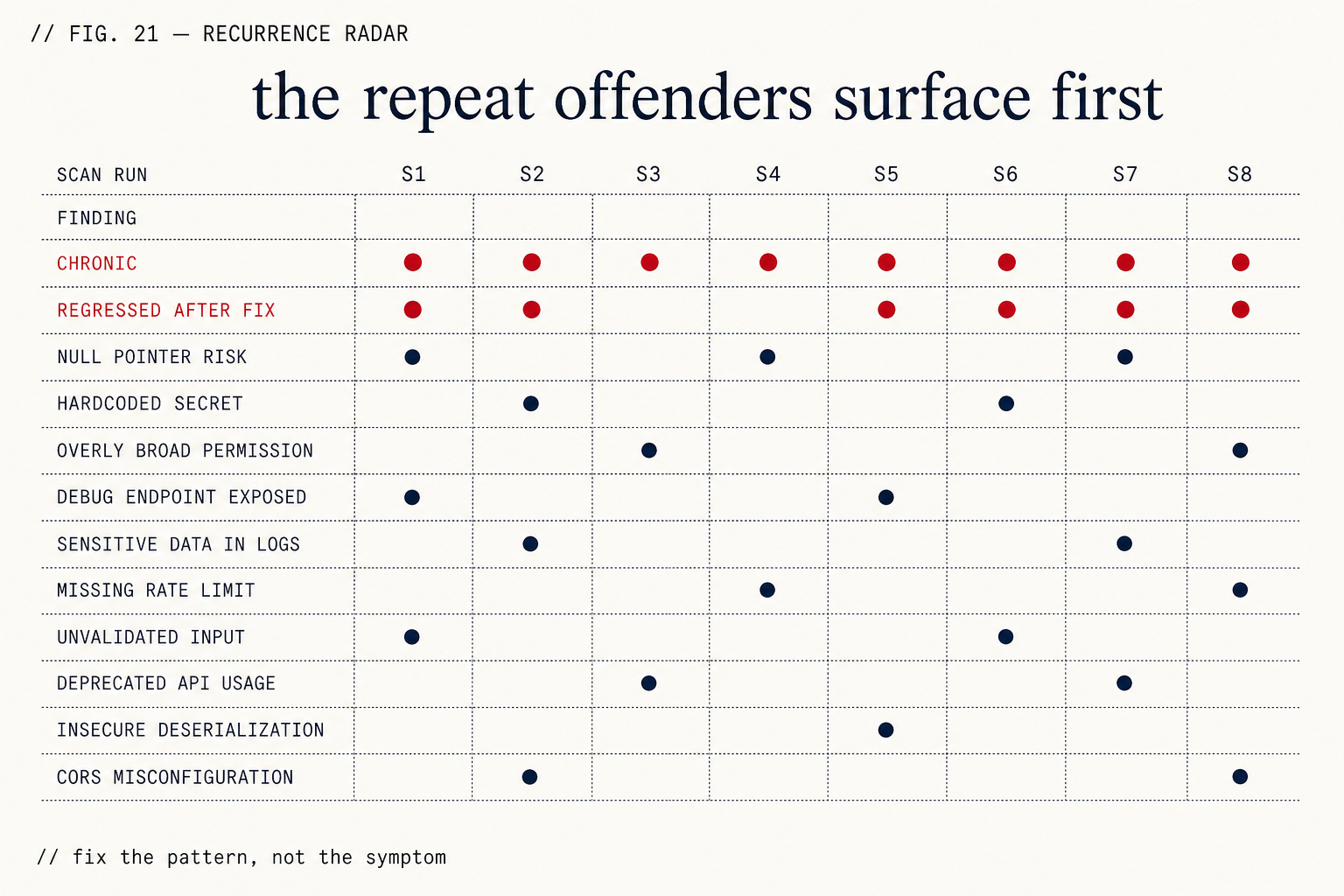
| The Brain — memory + recurrence | |||||||
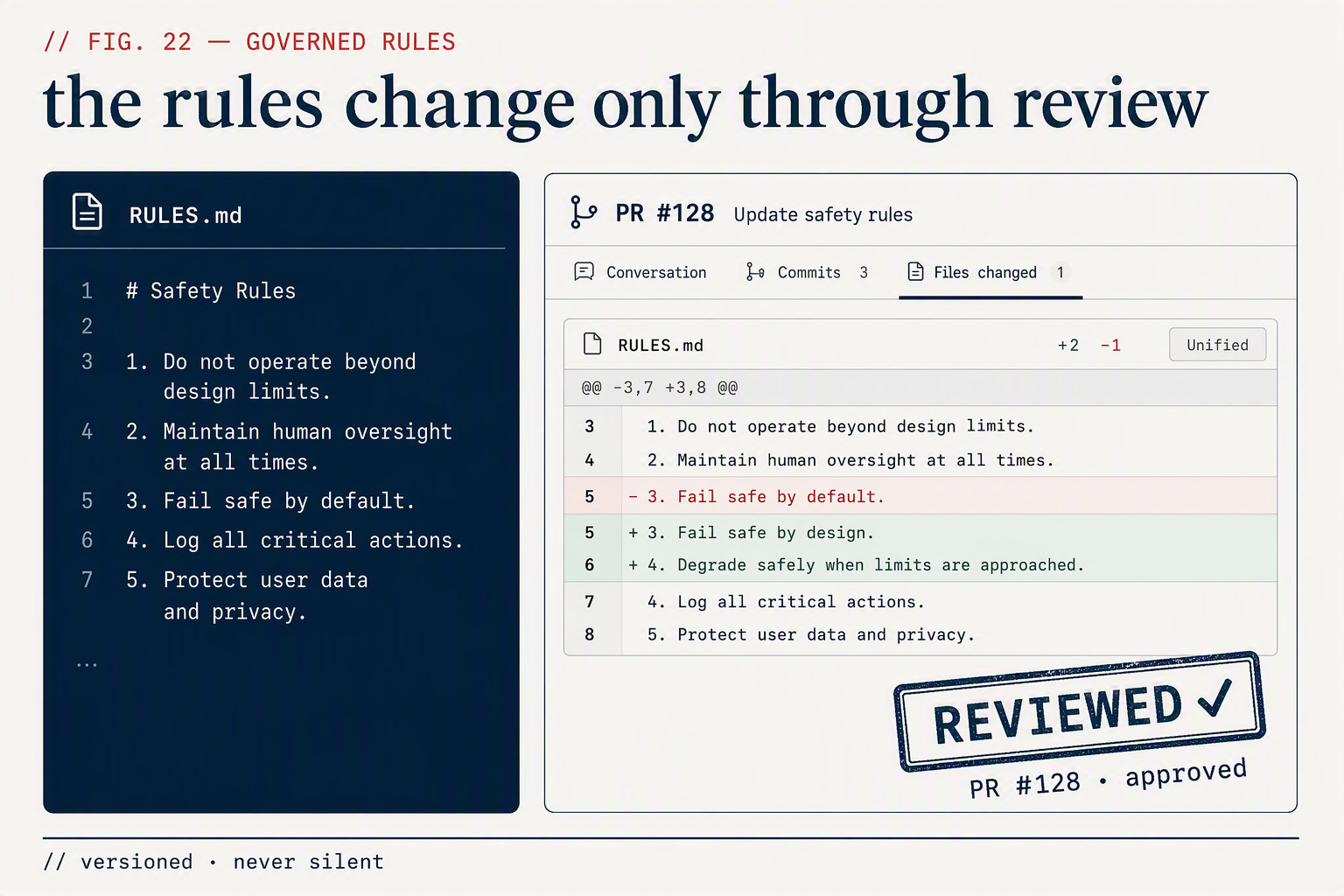
| Governed Rules · PR Guard | |||||||
| Exit Kit — zero lock-in | |||||||
| BYOK · flat price, no meter | |||||||
| Team & governance | |||||||
| Custom domains | — | ||||||
| Secrets Vault (AES-256) | — | — | |||||
| RBAC — roles & permissions | — | — | |||||
| Audit logs | — | — | |||||
| Preview environments | — | — | |||||
| Priority support | — | — | |||||
| Compliance & release control | |||||||
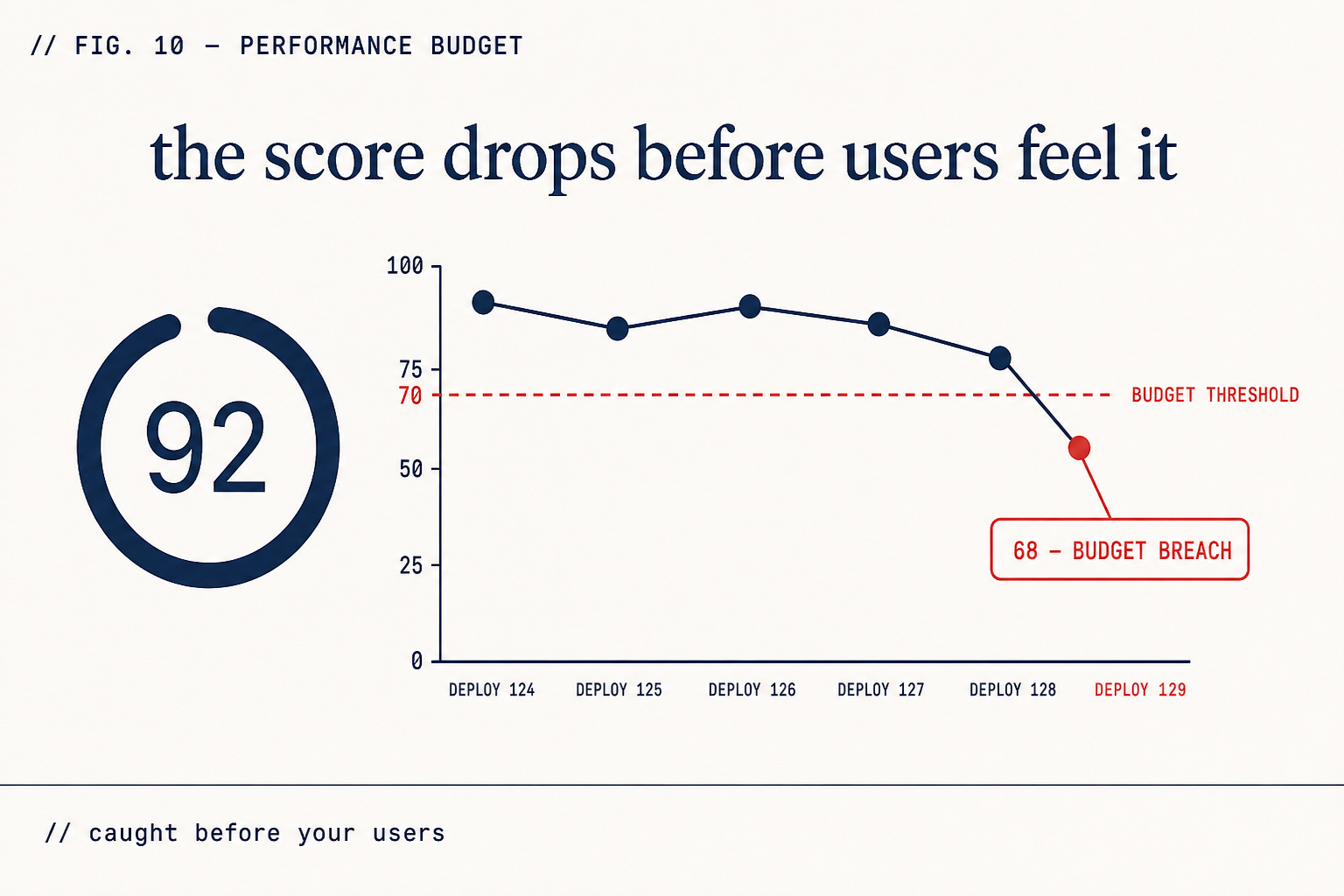
| Speed Watch — performance budgets | — | — | — | — | |||
| Staged / canary rollout | — | — | — | — | |||
| Nightly scheduled scans | — | — | — | — | |||
| SOC 2 · HIPAA · GDPR mapping + PDF | — | — | — | — | |||
| BYOC — deploy to your own AWS | — | — | — | — | |||
| For agencies — licensed to resell | |||||||
| Resale rights included | — | — | — | — | — | ||
| Set your own retail price — no cap | — | — | — | — | — | ||
| Full white-label | — | — | — | — | — | — | |
Every plan runs the full check suite — the top three groups are identical across all seven. Higher tiers add volume, team governance, and compliance controls.
Every Platform In This Category Bills You By The Meter.
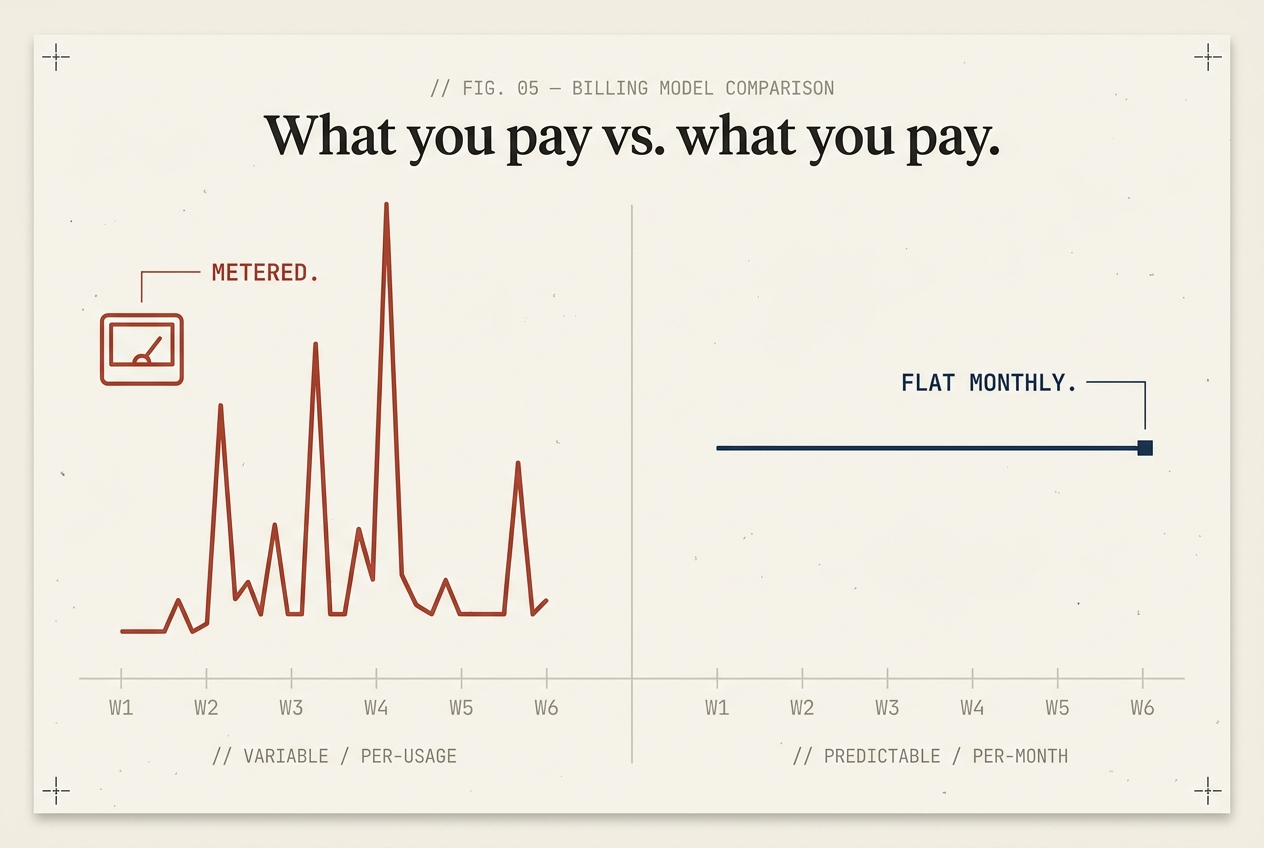
Sources: Vercel/Netlify/Railway/Render public pricing and community reports, 2026
When your app goes offline, ZipLoom doesn't send you an alert. It restores your previous working deploy — automatically, within seconds. Then it sends you a notification explaining what happened.
Every other platform tells you your app is down. ZipLoom tells you it's already back up. This is what “operated” means — not just deployed.
Engineered For People Who Read The Fine Print.
Your AI Assistant Already Writes The Code. Now Give It Hands.
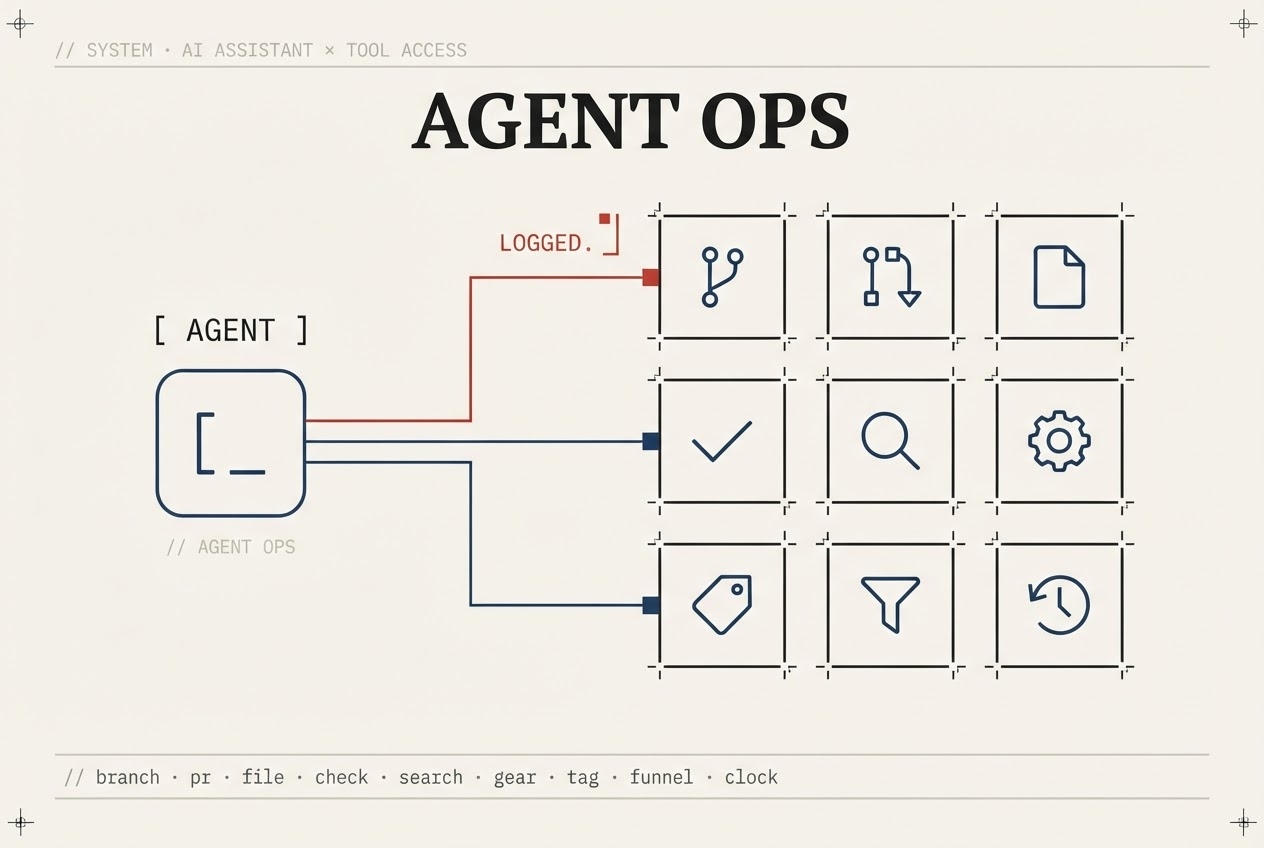
ZipLoom hosts 93 GitHub tools across 21 modules that Claude, Cursor, or any MCP client can call directly — reading repositories, inspecting pull requests, reviewing CI/CD workflow runs, auditing security advisories. Every call runs under your own GitHub credentials. Every call is logged to an audit trail you own.
- uses: ziploom/scan-action@v1
  with:
    fail-on: high
    warn-on: moderate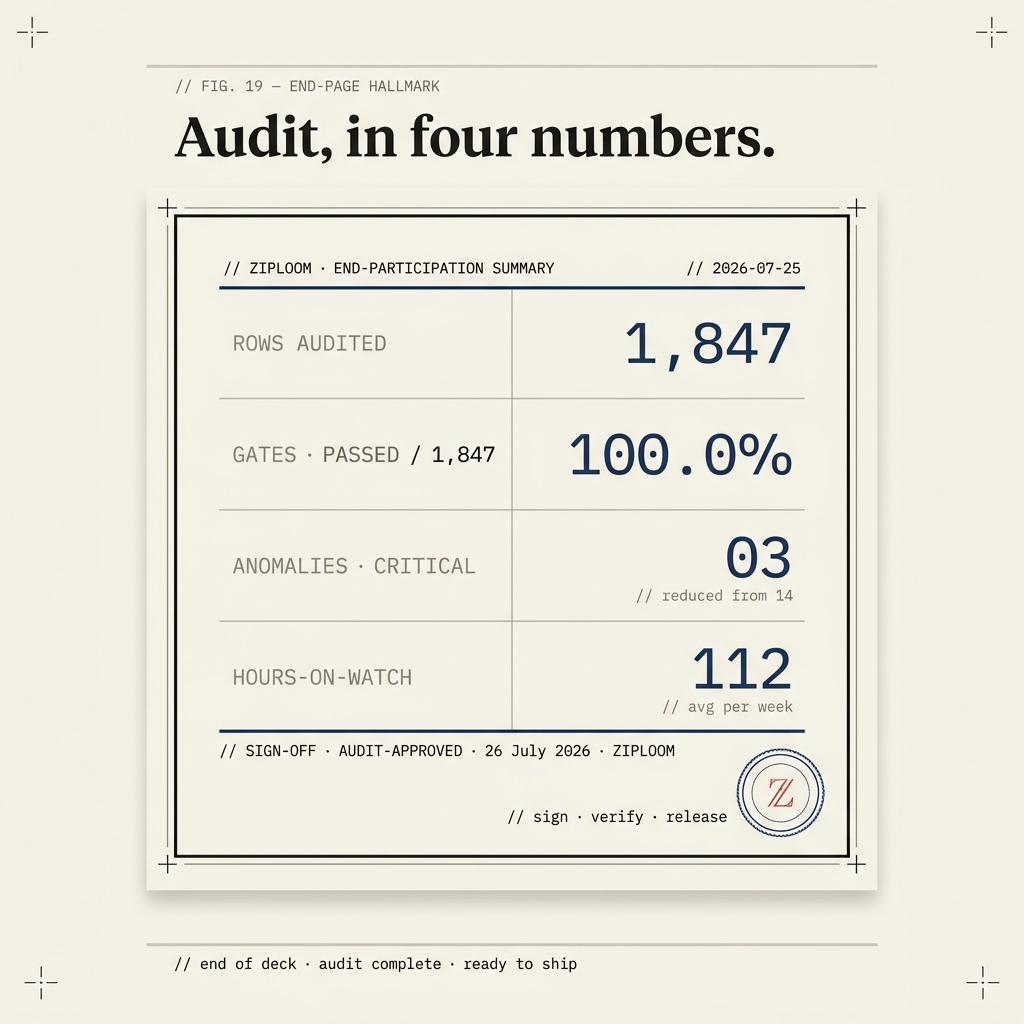
Your Prototype Doesn't Need To Be Perfect.
It needs to exist.
We'll handle the part that decides whether it's safe to be real.
Still have a question? The fastest way to find out is to just try it.
Get Your Live URL