One more thing, and then you're building.
You Know What To Build. You Still Don't Know How To Build It.
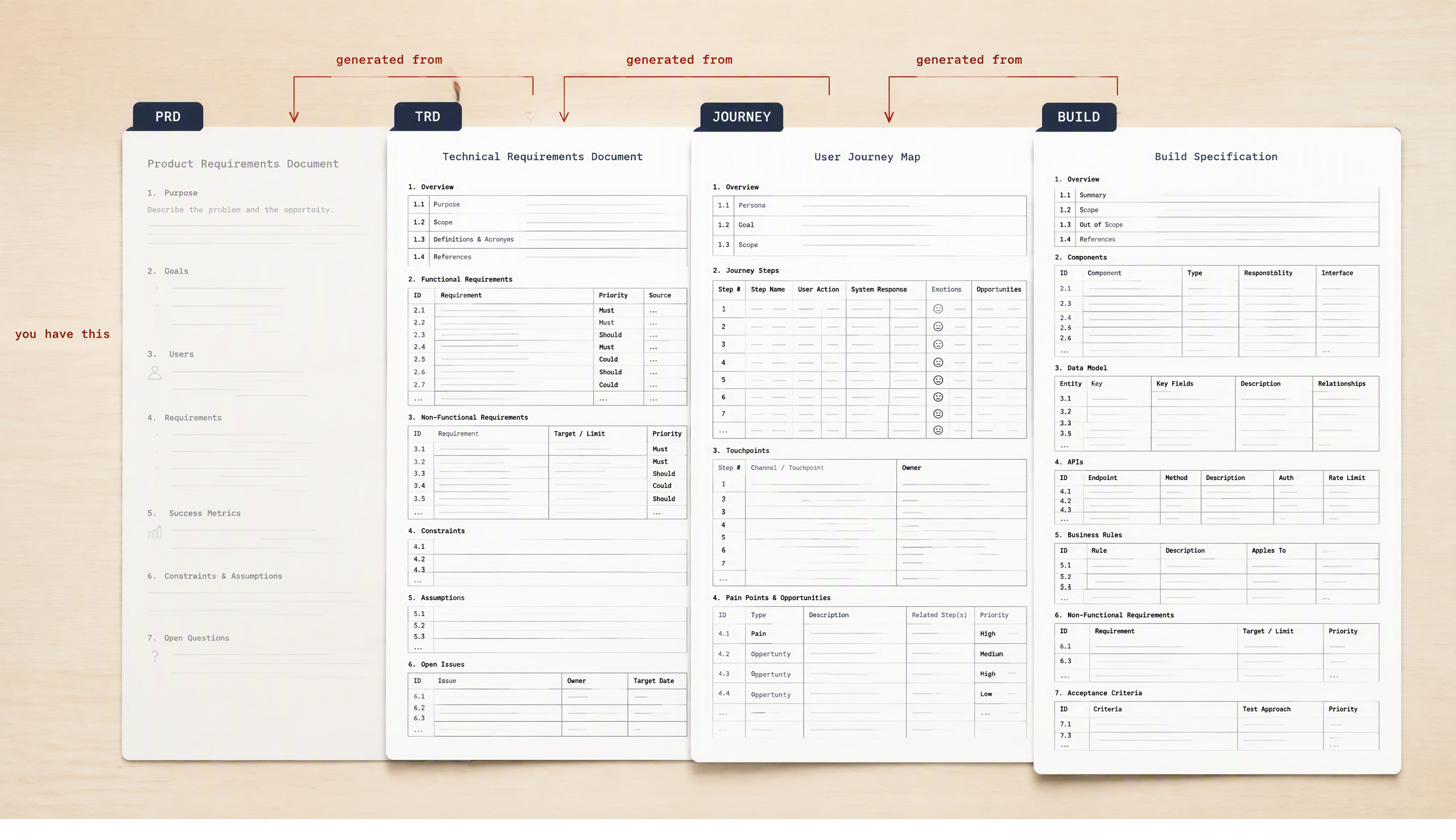
The Spec, The Architecture, And The Prompts To Build It — In One Package.
Your PRD says what. The Cutting Table says how — and hands your AI the prompts to do it.
The PRD solved the drift problem.
Here's the next one.
You'll open your AI tool tomorrow and type “build the auth layer.”
And you're back where you started.
Because “build the auth layer” is a wish, not a spec. Session-length memory. No architecture. No definition of done.
What's in the package
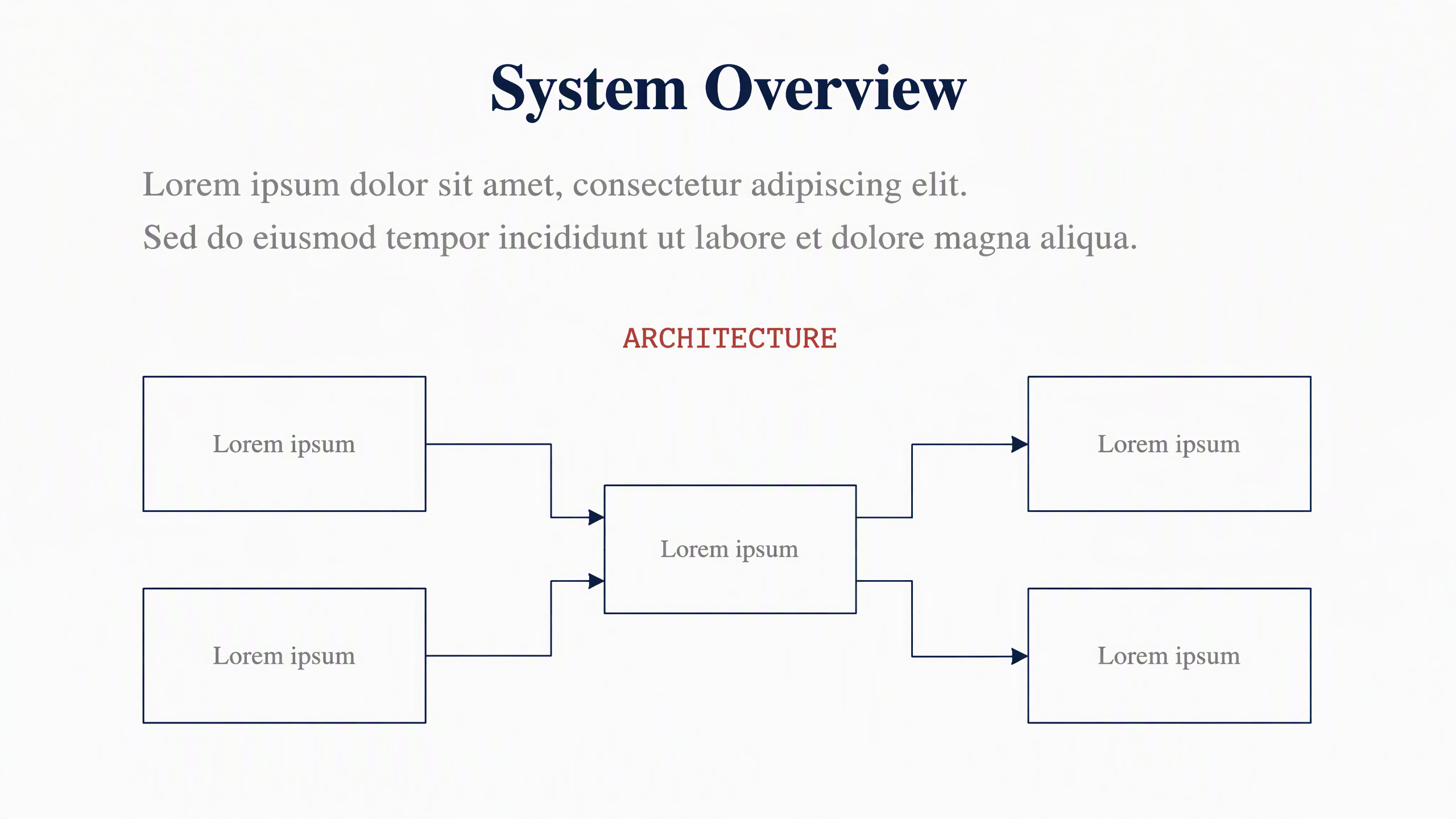
Technical Requirements Document — architecture, data model, API surface, auth model, integrations, infrastructure, observability, security controls, test strategy, migration plan. Generated from your approved PRD, so the two documents agree. Where the PRD is ambiguous, the TRD names the ambiguity rather than quietly inventing a decision.
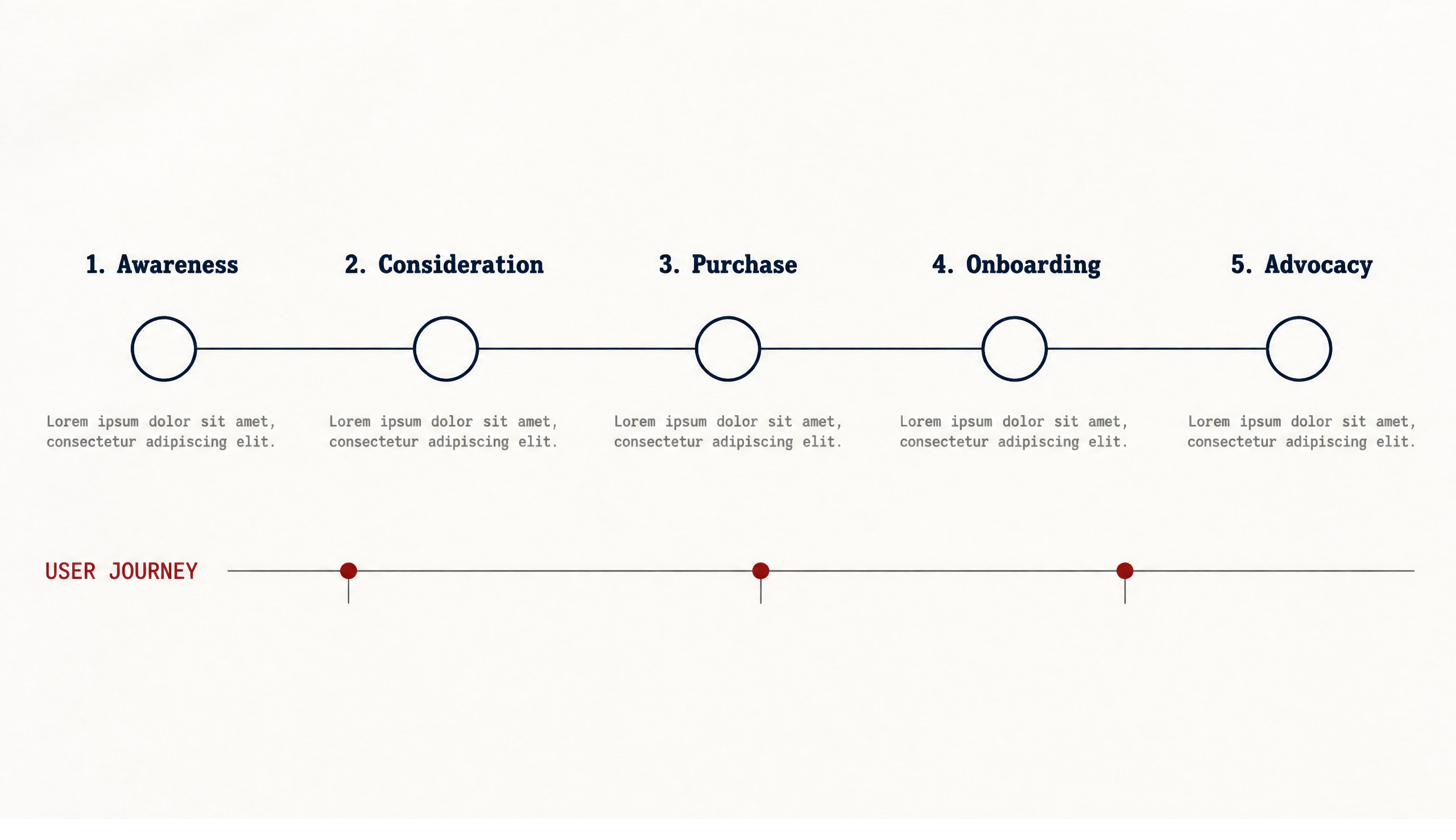
User Journey Map — personas, stages, touchpoints, friction points, instrumentation plan.
Engineering Guidance — repo structure, coding standards, branching and CI, definition of done, estimation breakdown.
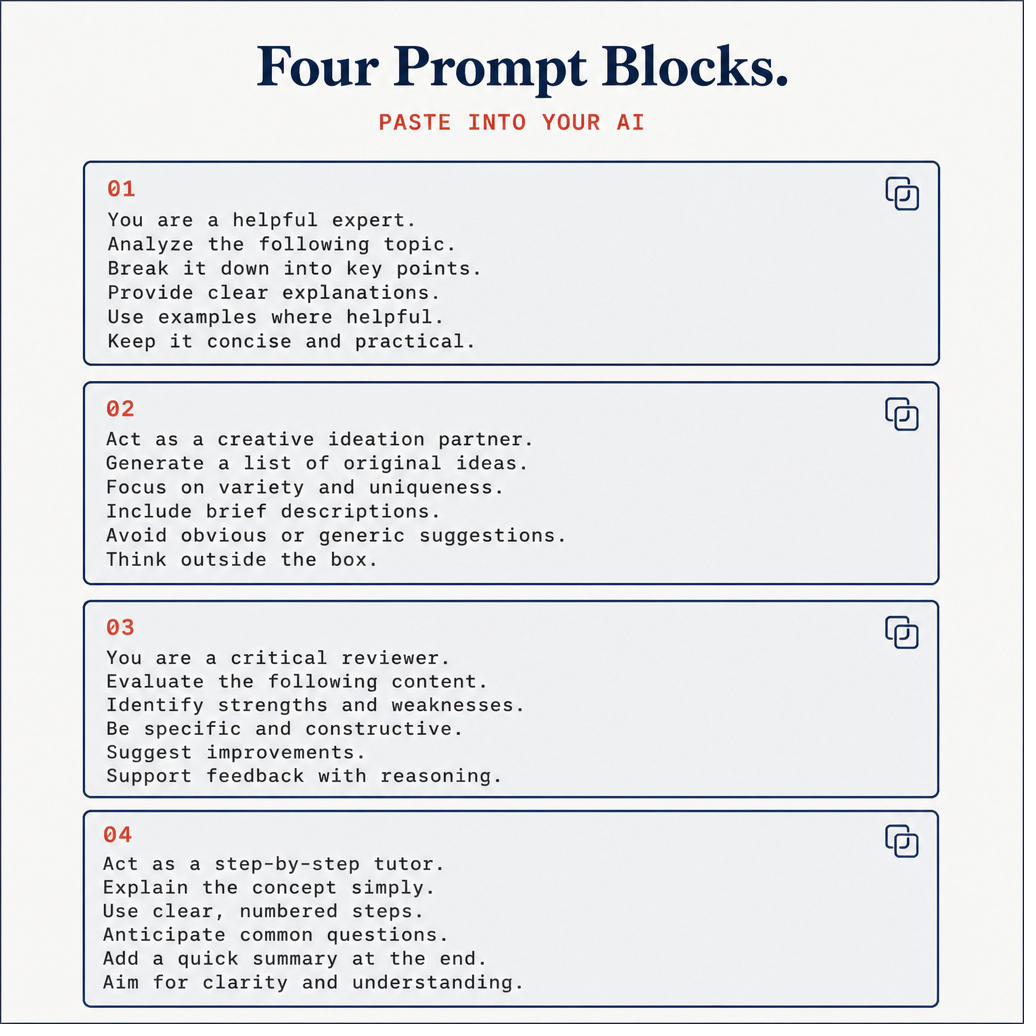
Agent Prompts — the one people underestimate. Ready-to-paste prompts for whichever AI coding agent you use, each scoped to one deliverable, derived from your TRD. Not “build the auth layer.” The actual prompt, with the constraints attached.
“I already have the PRD. Isn’t that enough?”
The PRD says what to build. It does not say how. “Build the auth layer” is still a wish until something names the data model, the token strategy and the definition of done.
“Can’t the AI just work it out as it goes?”
It will. Differently each session. That is the drift you bought the PRD to stop, one layer further down.
You've been prompting from memory this whole time — holding architecture in your head, re-explaining it every session, watching it drift a little each time. This is the part that stops.
Your PRD says what to build.
The Cutting Table: the TRD, the architecture, and the ready-to-paste agent prompts that say how — derived from your document.
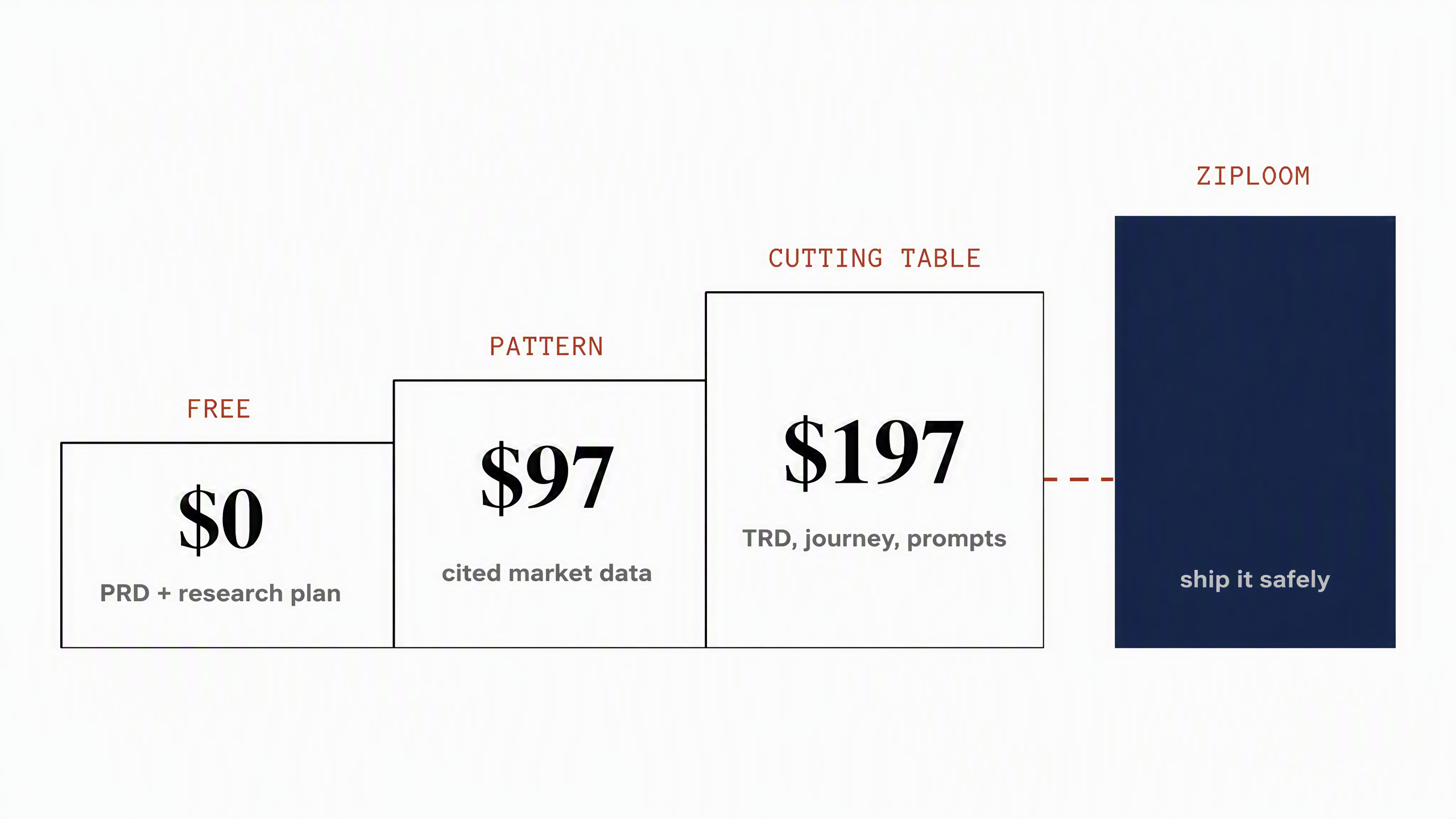
The Cutting Table — $197 Once
- Technical Requirements Document
- User Journey Map
- Engineering Guidance
- Agent Prompts, Scoped Per Deliverable
- All Generated From Your PRD, Consistent With Each Other
- One-Time. No Subscription.
Agencies publish discovery-phase pricing from $5,000.¹ One prices its fixed discovery phase at $12,000–$40,000, listing the deliverables as technical audit, UX flow, data model, integration map, and delivery estimate.² That is this package.
- Proximate Solutions — Custom Software Development Cost: 2026 Pricing Guide · retrieved 2026-04-29
- KumoHQ — Software Development Retainer vs Fixed Price: 2026 Buyer Guide · retrieved 2026-06-01
Guarantee: If the TRD contradicts your PRD anywhere, reply and we refund in full. They're generated in sequence specifically so they can't.
After you build it. You’ll have an AI-built app that works on your machine. The last question — the one no spec answers — is whether it’s safe to put in front of real users. That’s what ZipLoom does: scans AI-generated code for the security holes the AI didn’t know it left, then deploys it. See ZipLoom →